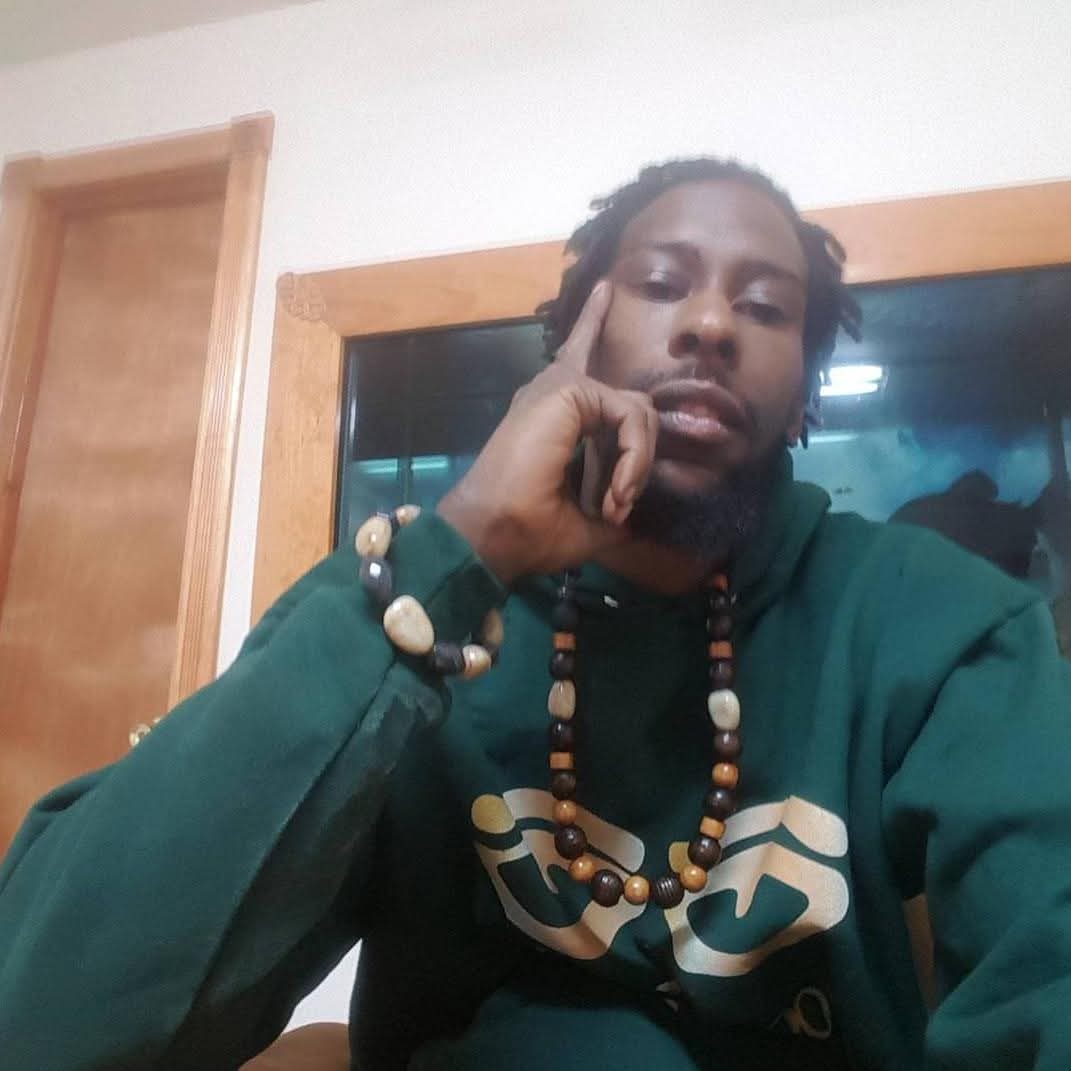
sEEe Music

sEEe MUSIC · AN ARTIST IN TIME

ENTER
THE STORY

Music doesn't begin when the record button is pressed. It begins with what was already in the room.

FAMILY · CHICAGO · HIP-HOP · CRAFT · MESSAGE · MEMORY

THE FABRIC OF TIME

Every artist enters a story already in progress.

Before the recordings came family, place, records playing in other rooms, television, local voices, national voices, loss, friendship and the first idea that rap could become something more.

This is not a straight biography. Follow the years, open the memories, then hear what those experiences became.

THE LINE · HOW THE MUSIC GOT HERE

It starts with a drum.

Walk it in order: the drum, the voice, the exception, the road north, the storm, the torch — and the year the line reached SEEA.

AFRICA → AMERICA

The drum

In Africa, the drum was never only an instrument. It was a language. In the drum traditions of the continent, rhythm carried real messages — calling people to gather, marking ceremony and mourning, speaking across miles, and opening the line to the ancestors. To lose the drum was to lose the network a people talked through, and the voice of home itself.

The slave trade carried the people across the water — and in British North America, the drum was outlawed. In September 1739, enslaved Africans near the Stono River in South Carolina rose up and marched with drums beating, calling others to join them as they moved. The colony answered in law: the Negro Act of 1740 banned enslaved people from keeping or using drums, horns, or other loud instruments. The law names the fear itself — instruments that could call people together and carry signals were forbidden. The bans spread through the South. They took away the drum because the drum was how a people communicated — and a people who can communicate can rise.
THE COMPENSATION

The voice

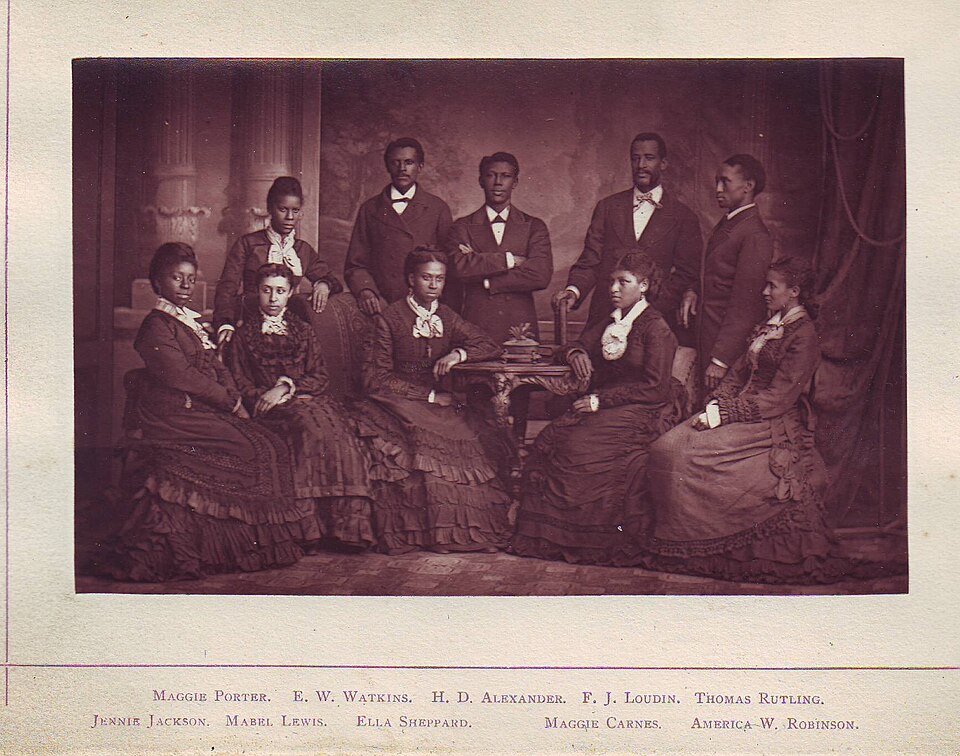
What could not be confiscated was the body. Forbidden the drum, the enslaved made rhythm with voice, hands and feet — a stick beaten on the floor in the ring shout, in the drum's place. Field hollers. Work songs. Spirituals. Call and response. Harmony. When freedom came, the Fisk Jubilee Singers carried those spirituals to the world — and out of that soil, in the Mississippi Delta of the late 1800s, came the blues. Even the instruments were remade from memory: the banjo, rebuilt from West African lutes. As bluesman Mighty Mo Rodgers put it in 1999: they took away the drum — that's how the blues did come.
The Fisk Jubilee Singers, 1876
The Fisk Jubilee Singers, 1876.
HEAR IT · 1909
Fisk Jubilee Quartet · “Swing Low, Sweet Chariot” · 1909.
HEAR IT · 1920
Mamie Smith · “Crazy Blues” · 1920.
THE EXCEPTION

New Orleans — where Africa breathed

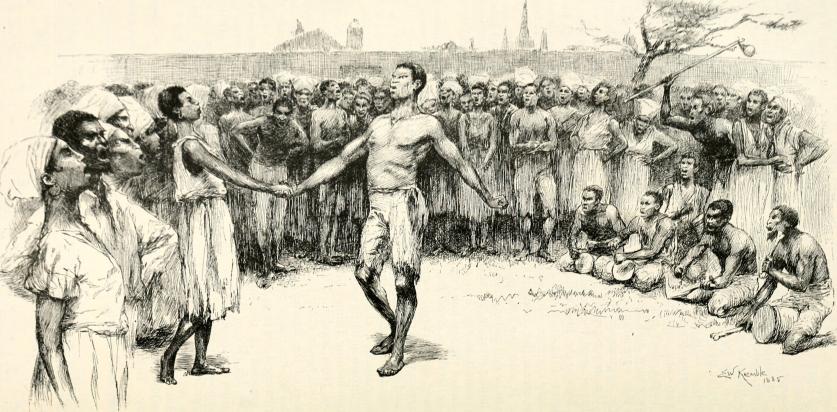
One place let Africa breathe. Under French and Spanish Catholic rule, Louisiana held the drum longer: enslaved Africans gathered on Sundays in Congo Square, and the Vodou tradition lived openly enough to survive. That is why New Orleans sounds different from the rest of the South to this day — second lines, brass, polyrhythm in the open. The exception proves the rule: where the drum survived, the rhythm stayed out front. Where it was taken, the rhythm moved into the voice — and became the blues.

Dancing in Congo Square, drawn by Edward Winsor Kemble, 1886
“Dancing in Congo Square” · drawn by E. W. Kemble, 1886.
THE MIGRATION OPENS · 1919–1929

The road north

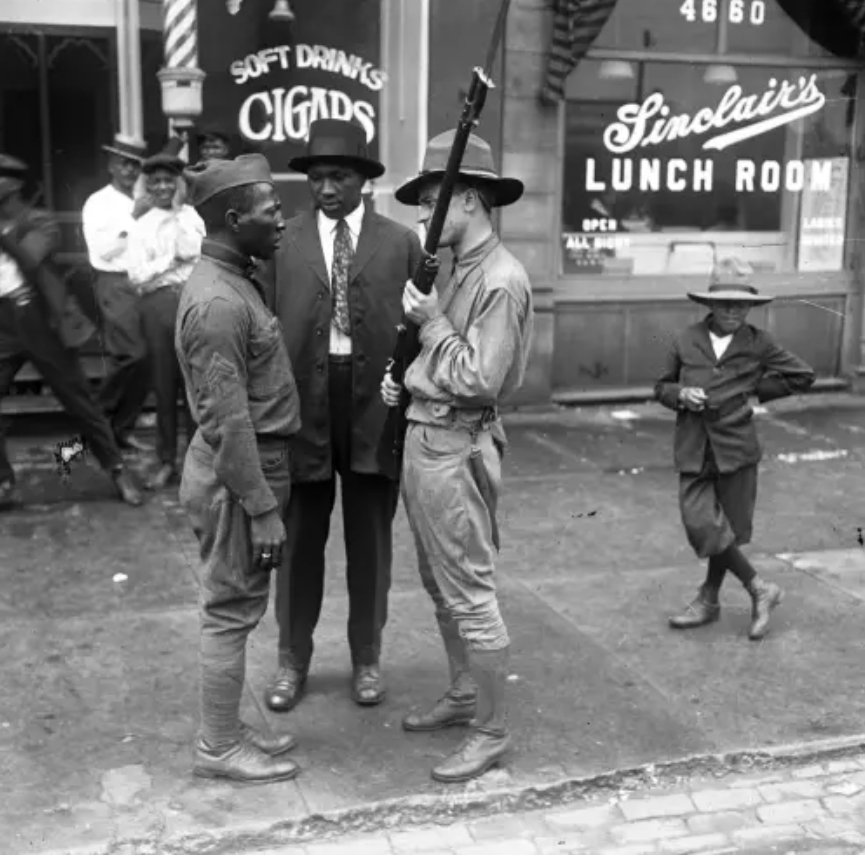
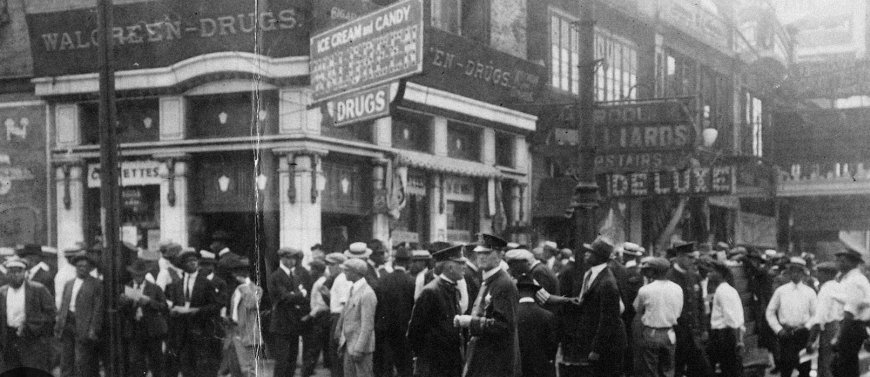
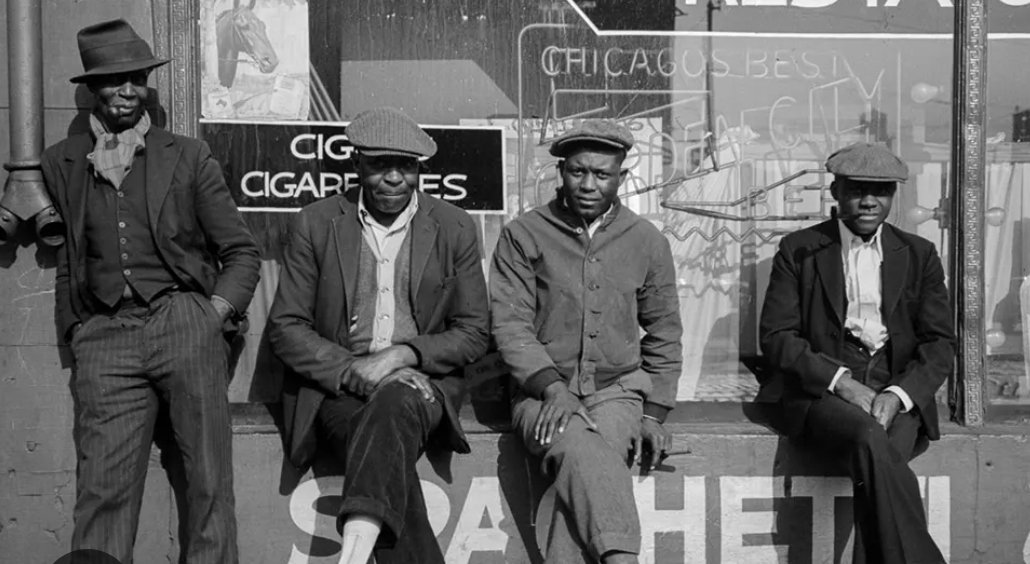
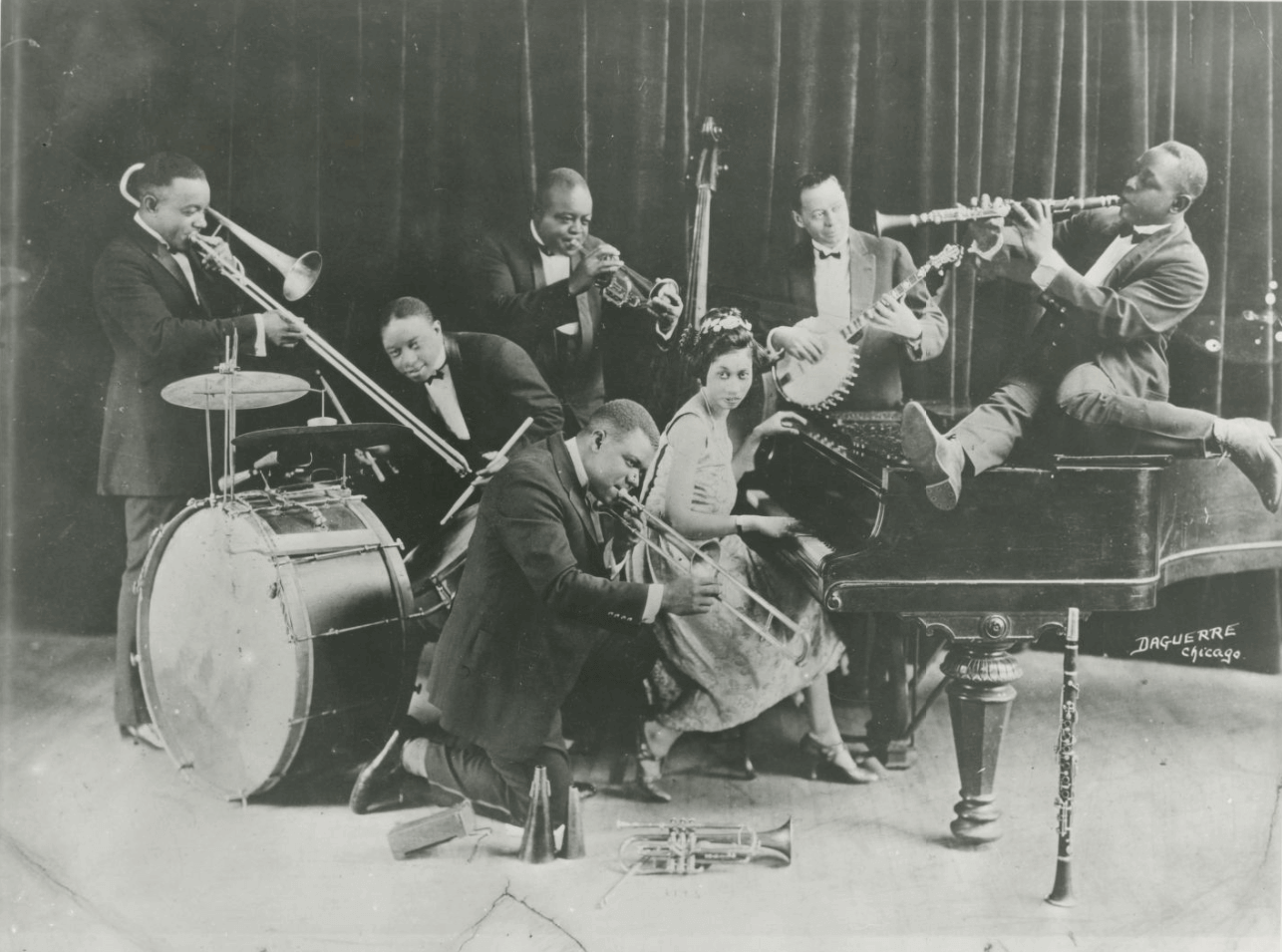
The Illinois Central Railroad ran from the Mississippi Delta straight into Chicago, and The Chicago Defender — carried south by Pullman porters — told Black southerners to take it. Wartime labor demand pulled; Mississippi pushed. But the welcome was double-edged: in the summer of 1919, Chicago exploded in a race riot, and National Guardsmen patrolled the South Side. The migrants came anyway — and they brought the music. King Oliver arrived in 1919; Louis Armstrong followed him in 1922 and changed American music from Chicago bandstands. A sixteen-year-old named Mahalia Jackson arrived from New Orleans in 1927.

A Black soldier and a National Guardsman face each other on a Chicago street, 1919
Chicago, 1919 — a Black soldier and a National Guardsman, the summer of the race riot.
A crowd on State Street, Chicago, in the migration era
State Street, Chicago — the Stroll, the avenue the migrants made their own.
Men outside a South Side storefront, Chicago
Outside a South Side storefront — the world the migrants built, at rest.
King Oliver's Creole Jazz Band, 1923
King Oliver's Creole Jazz Band, 1923.
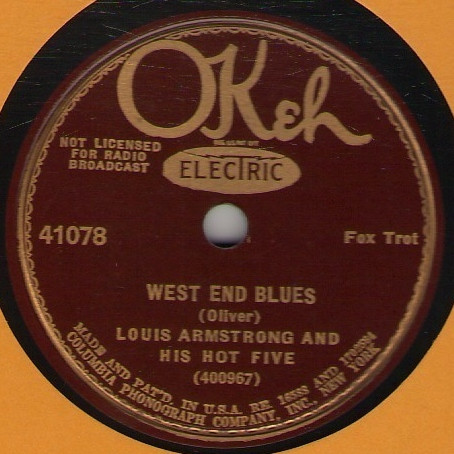
Louis Armstrong and His Hot Five, Okeh 78 label, 1928
Louis Armstrong's Hot Five · Okeh 78, 1928.
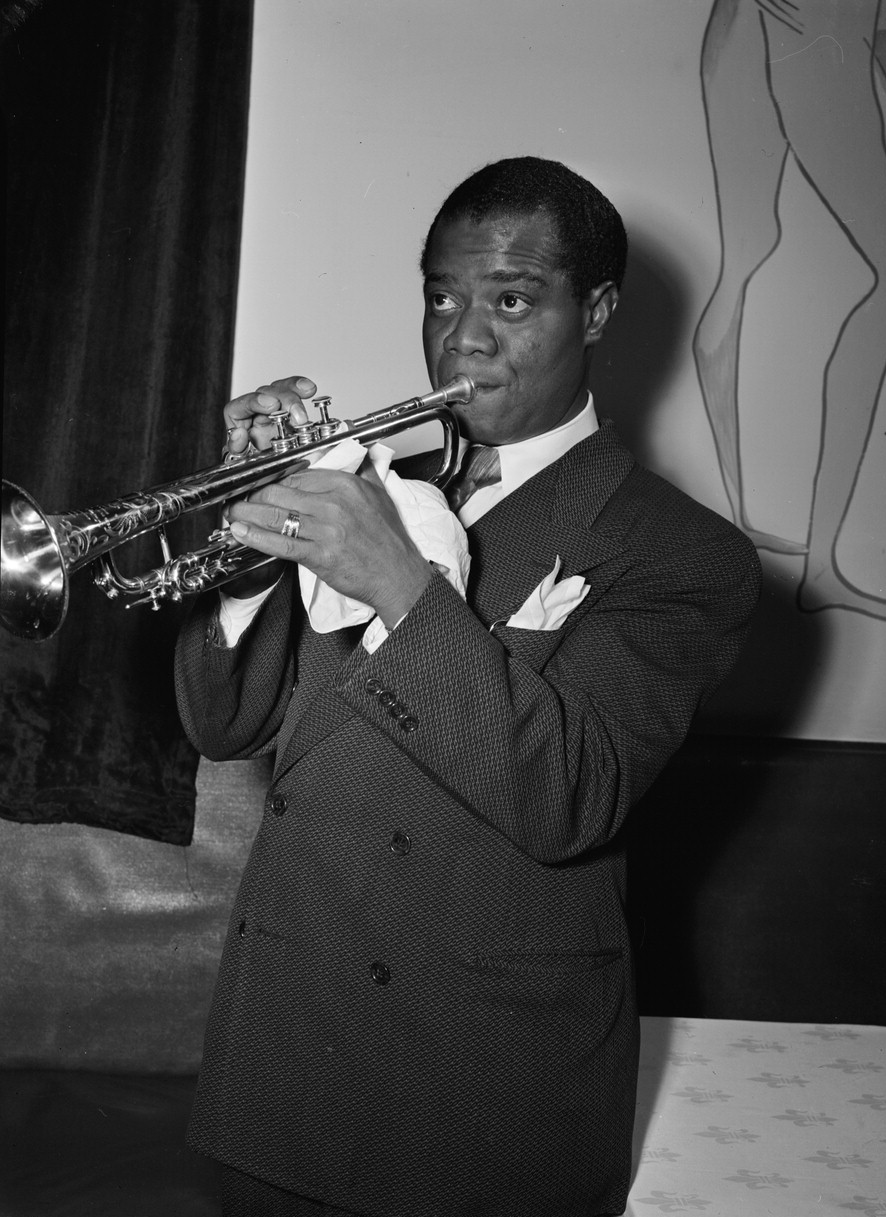
Louis Armstrong, photographed by William P. Gottlieb
Louis Armstrong · 1940s · William P. Gottlieb.
1930–1939

Gospel is born in Chicago — the blues stays in the room

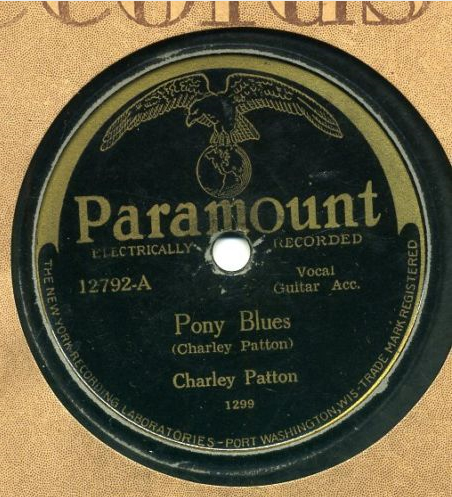
In 1932, Thomas A. Dorsey — a blues pianist turned church composer — became music director at Pilgrim Baptist Church and wrote “Take My Hand, Precious Lord.” Gospel music took its formal shape in Chicago's Black churches, and Mahalia Jackson's voice carried it out of the city. The blues never left: Tampa Red and Big Bill Broonzy held the clubs, while down in Mississippi the music stayed raw — Charley Patton's Paramount sides are the Delta at full strength.

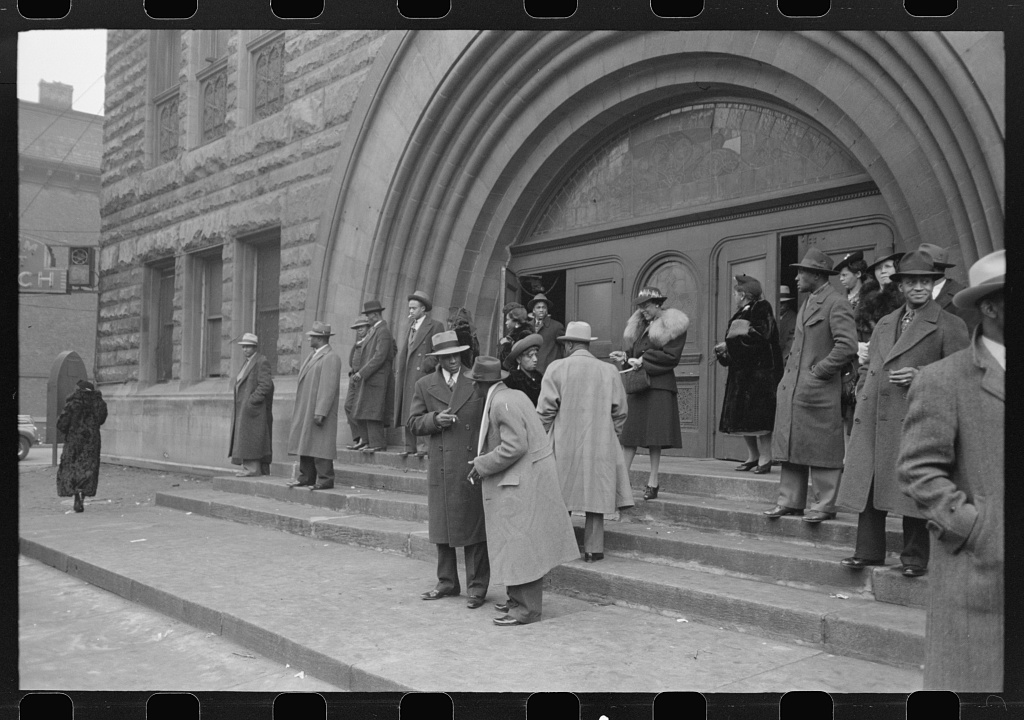
Crowd outside Pilgrim Baptist Church on Easter Sunday, Chicago, 1941
Pilgrim Baptist Church · Easter Sunday, 1941 · Russell Lee.
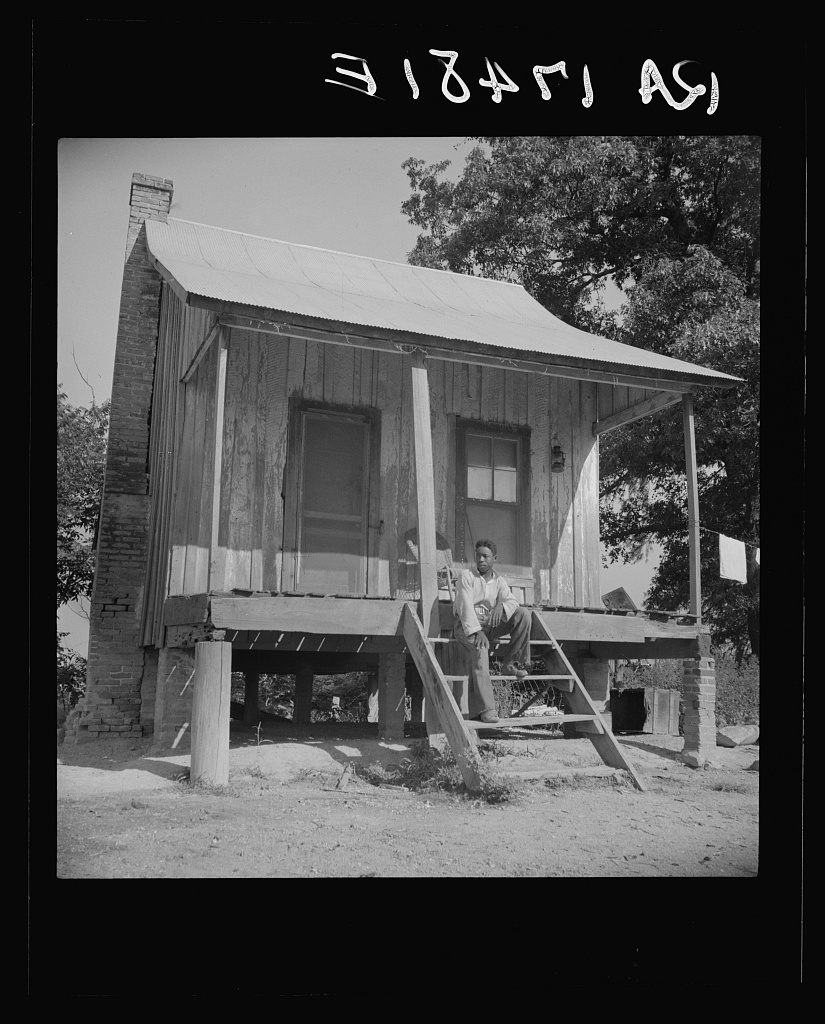
A sharecropper cabin in Coahoma County, Mississippi, 1937
Sharecropper cabin · Coahoma County, Mississippi, 1937 · Dorothea Lange.
Pony Blues — the Charley Patton record
Charley Patton · “Pony Blues,” 1929.
1940–1949

The second wave — and the blues plugs in

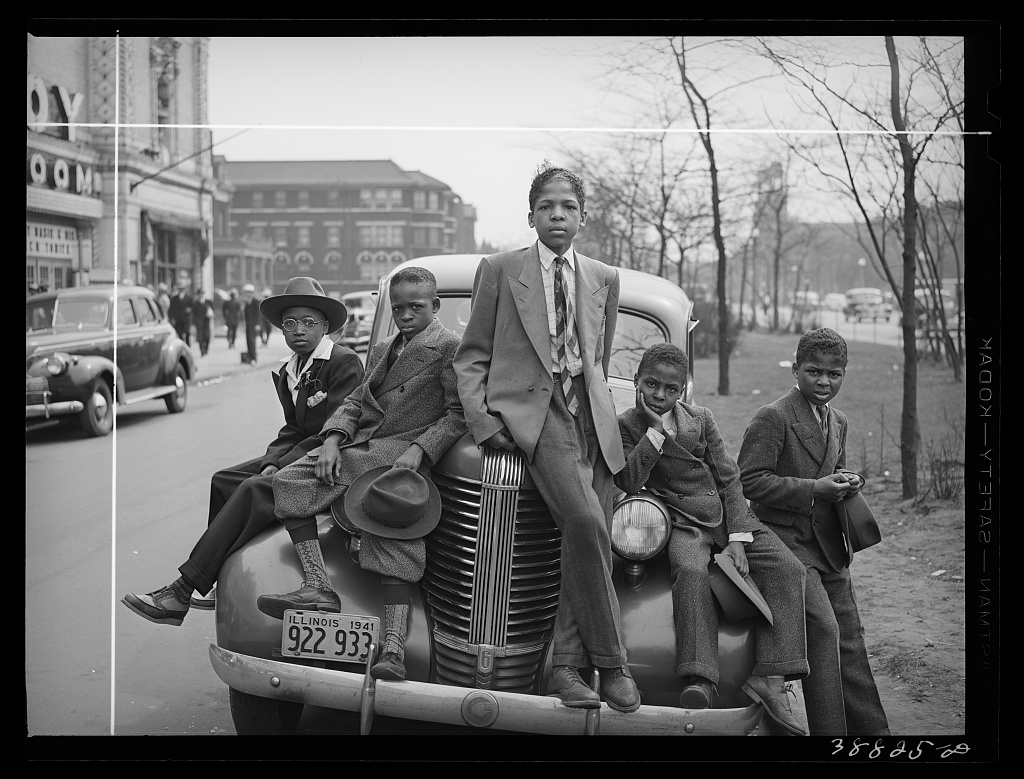
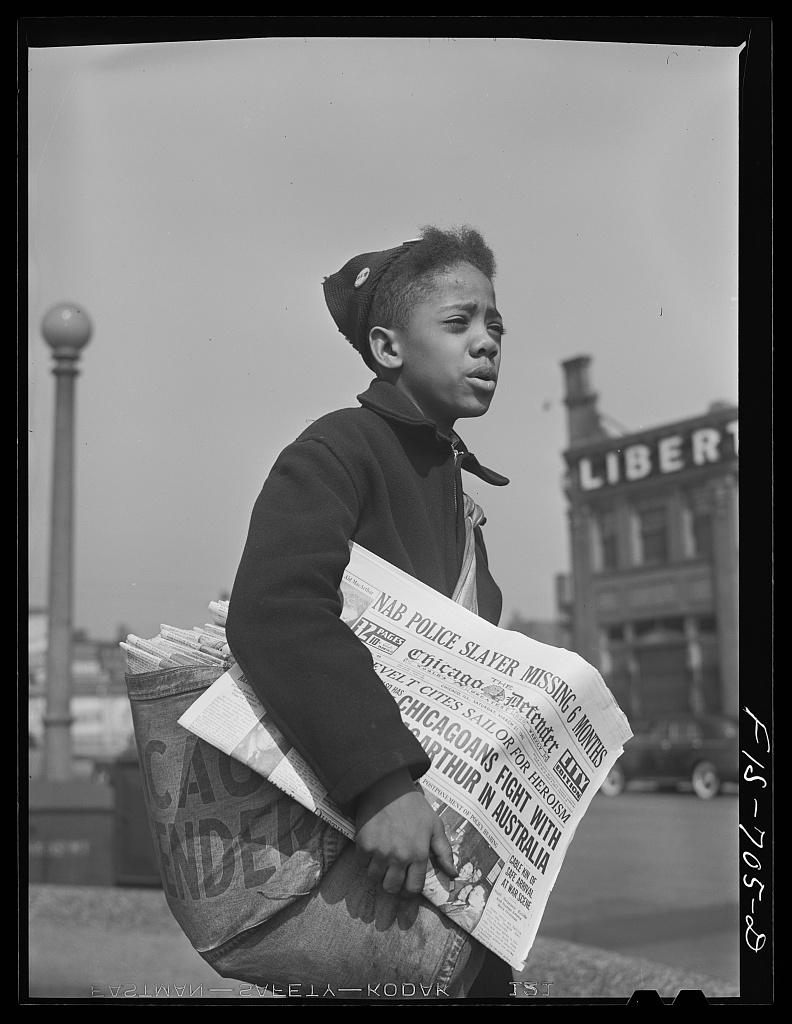
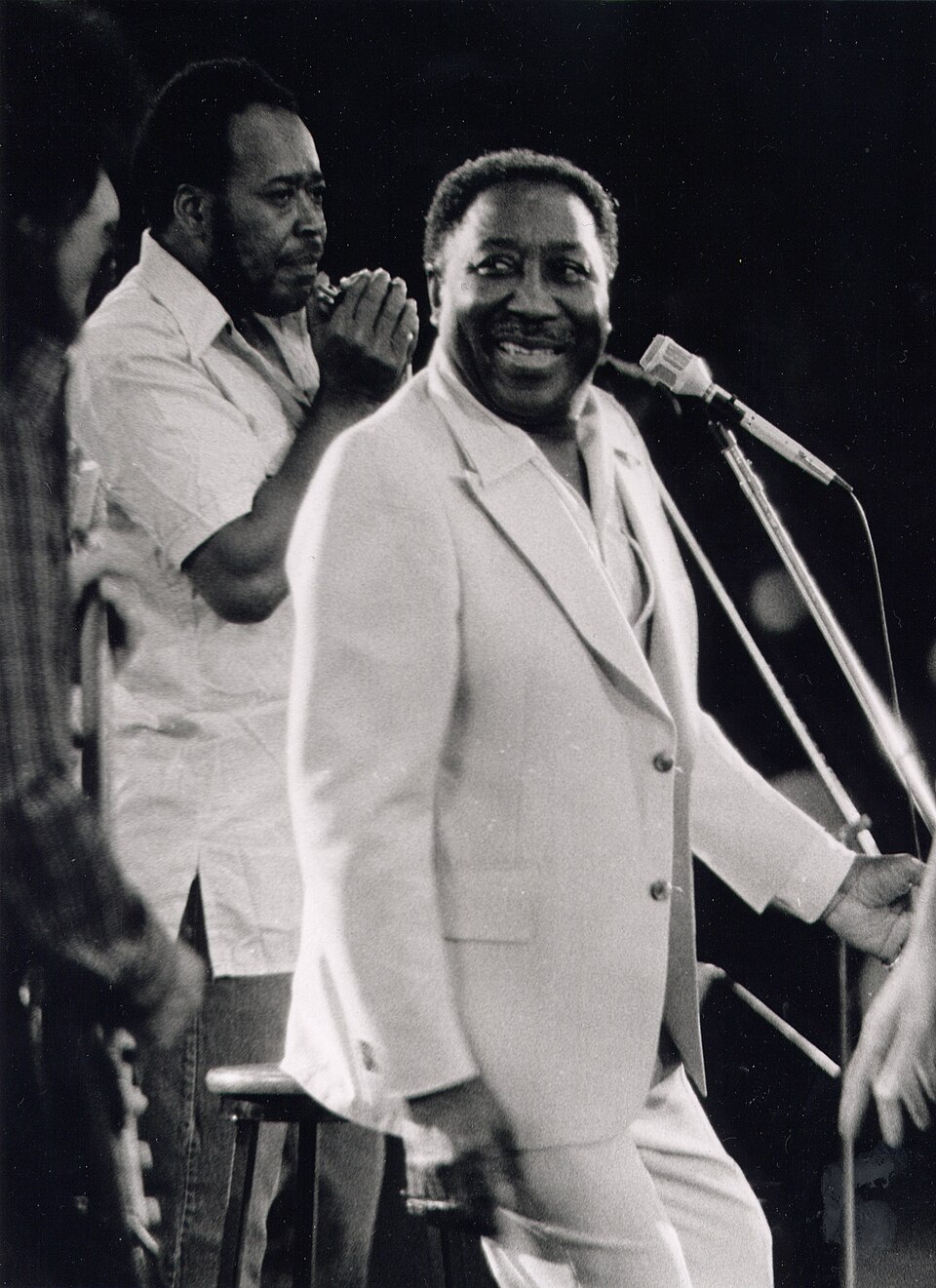
World War II opened the factories, and the trains ran full again. Bronzeville swelled — kitchenette apartments, the Defender on every corner, clubs on every block. In 1943 a Delta bluesman named McKinley Morganfield — Muddy Waters — stepped off the train, and within a few years he had plugged the Delta into an amplifier. Chicago blues was born, and the South Side was its capital.

Boys on Easter morning, South Side Chicago, 1941
Easter morning · South Side, 1941 · Russell Lee.
A newsboy selling The Chicago Defender, 1942
Selling The Chicago Defender · 1942 · Jack Delano.
Muddy Waters performing
Muddy Waters.
1950–1959

Chess — the Delta goes electric, the church goes soul

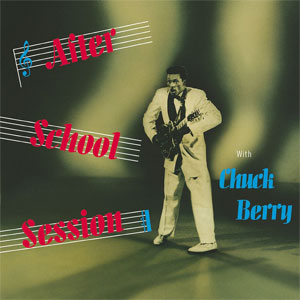
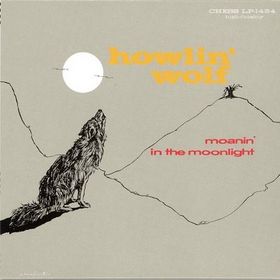
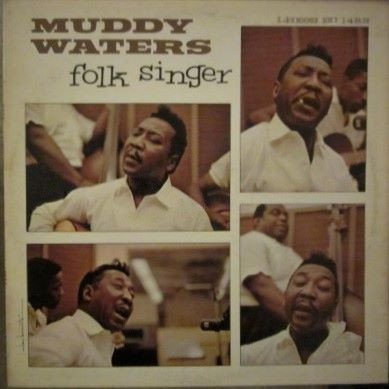
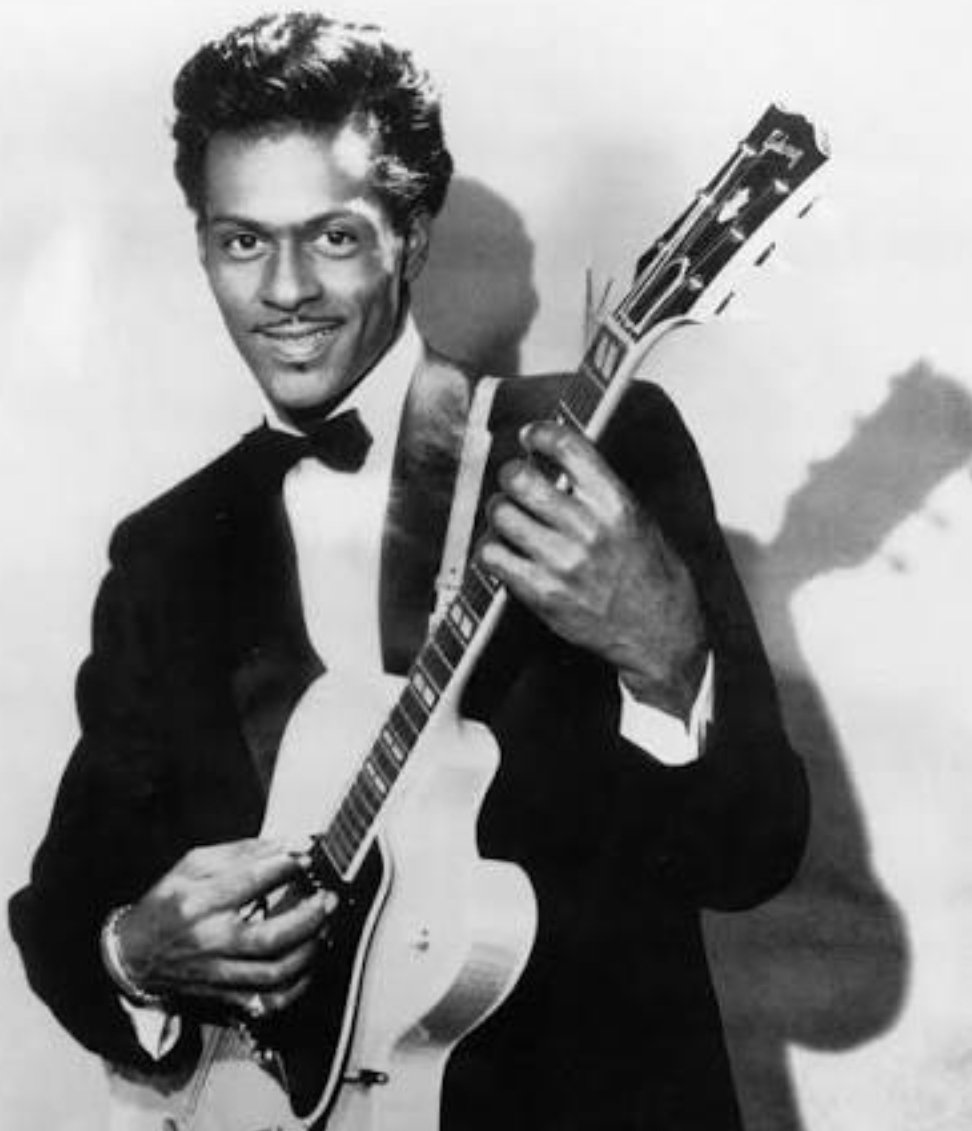
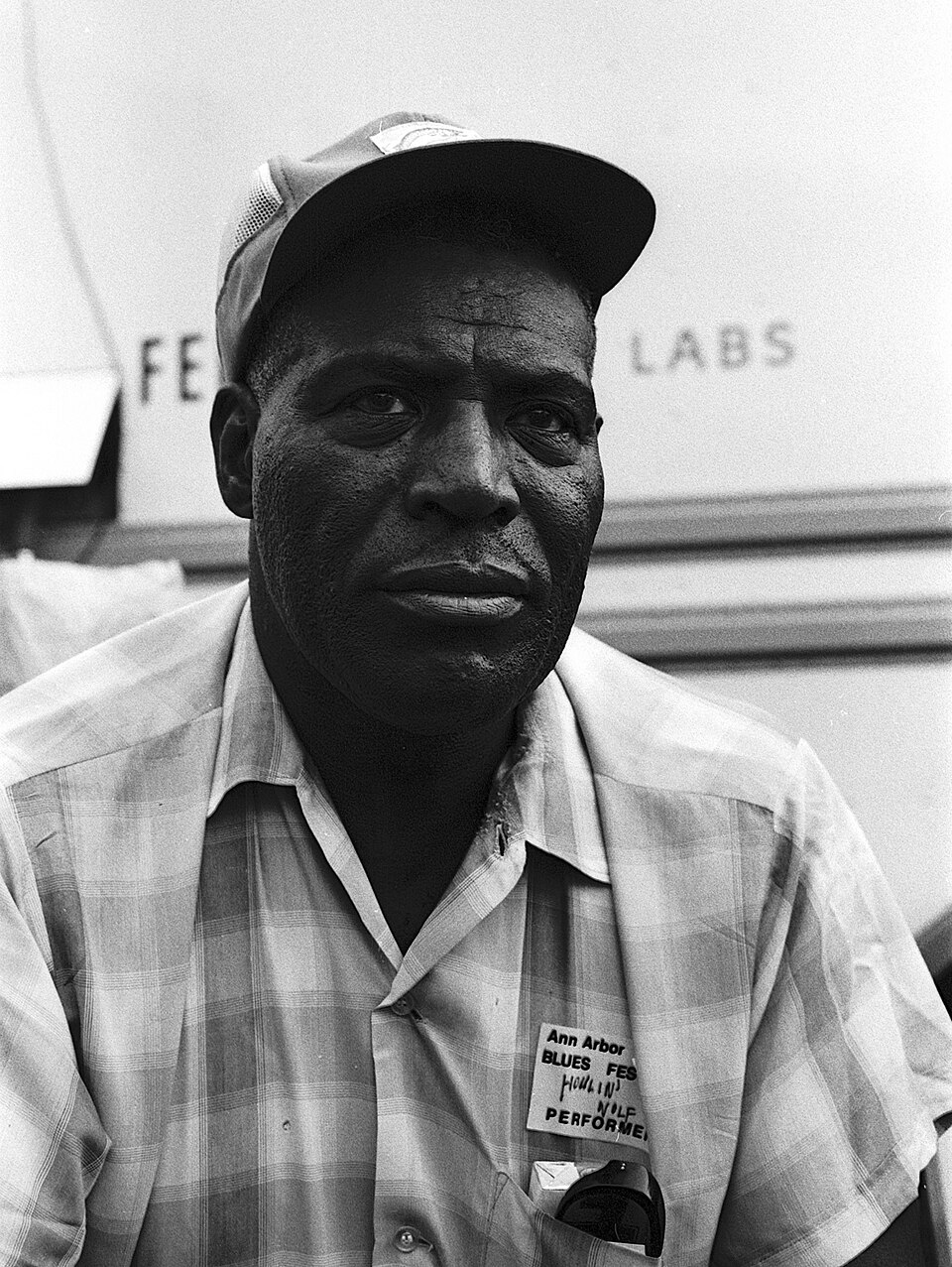
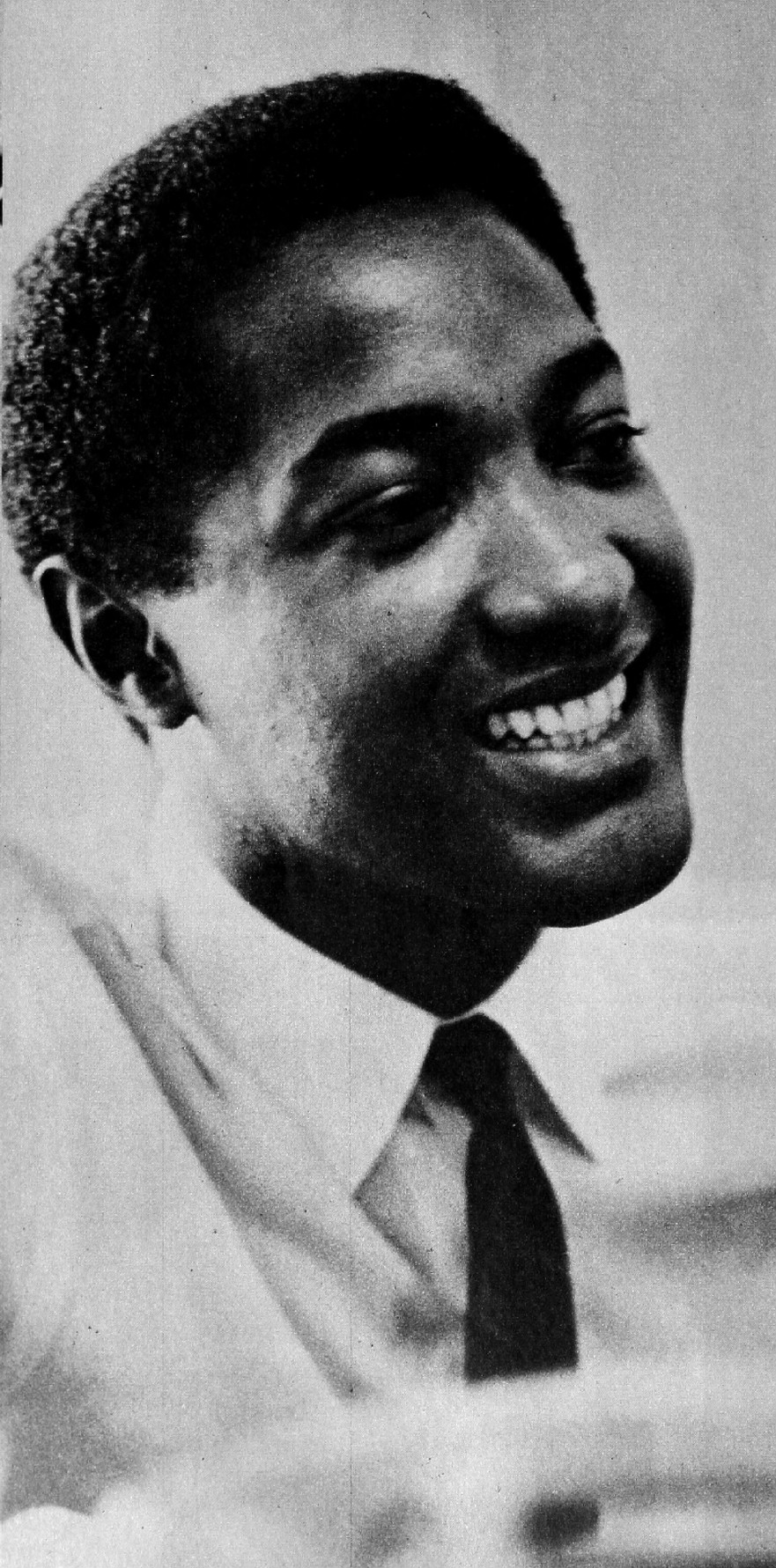
In 1950, Aristocrat Records became Chess Records, and 2120 South Michigan Avenue became an assembly line for a new American sound: Muddy's band, Howlin' Wolf up from Mississippi in 1953, and in May 1955 a St. Louis guitarist named Chuck Berry recorded “Maybellene” — rock and roll, cut in Chicago. And the church crossed over: in 1954 Ray Charles took a gospel song, “It Must Be Jesus,” and refit it as “I Got a Woman” — widely called the first true soul record. Sam Cooke, born in Clarksdale and raised in Chicago, was next.

Chuck Berry — After School Session album cover, Chess Records, 1957
Chuck Berry · After School Session, 1957.
Howlin' Wolf — Moanin' in the Moonlight album cover, Chess Records, 1959
Howlin' Wolf · Moanin' in the Moonlight, 1959.
Muddy Waters — Folk Singer album cover, Chess Records, 1964
Muddy Waters · Folk Singer, 1964.
Chuck Berry with his Gibson guitar, 1950s
Chuck Berry · 1950s.
Howlin' Wolf performing, 1970
Howlin' Wolf · 1970.
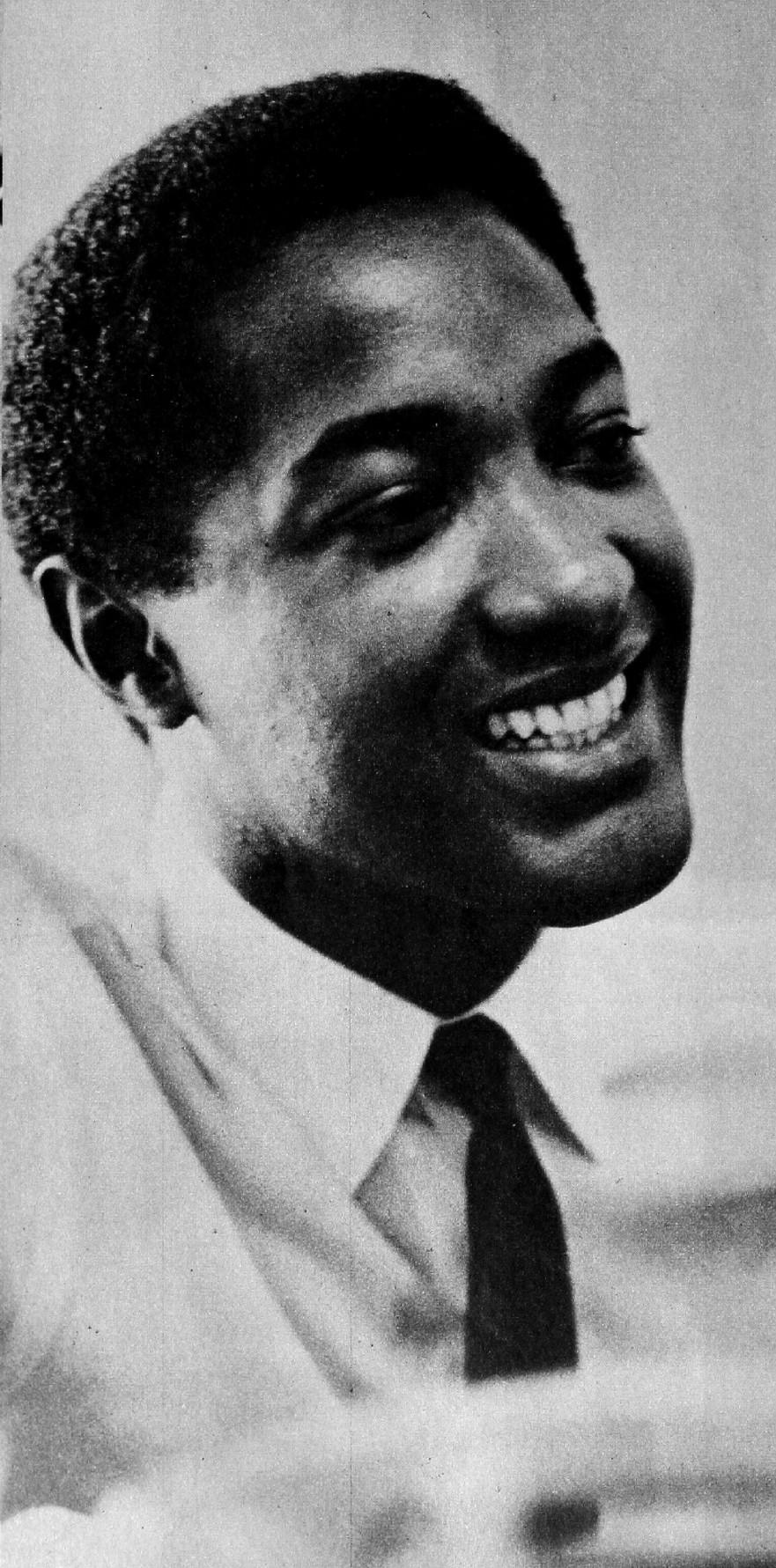
Sam Cooke, 1961
Sam Cooke, 1961.
1960–1969

The storm — and the answer

The music's decade was also the movement's — and the movement was answered with funerals. The record, in order:

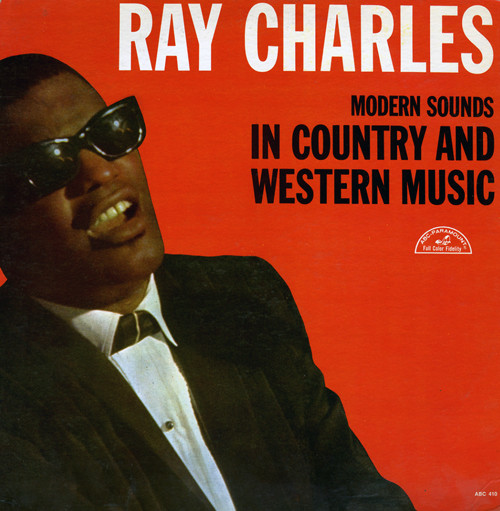
1962 — the bridge. Ray Charles releases Modern Sounds in Country and Western Music and takes Black music anywhere it wants to go.

Ray Charles — Modern Sounds in Country and Western Music album cover, 1962
Ray Charles · Modern Sounds in Country and Western Music, 1962.

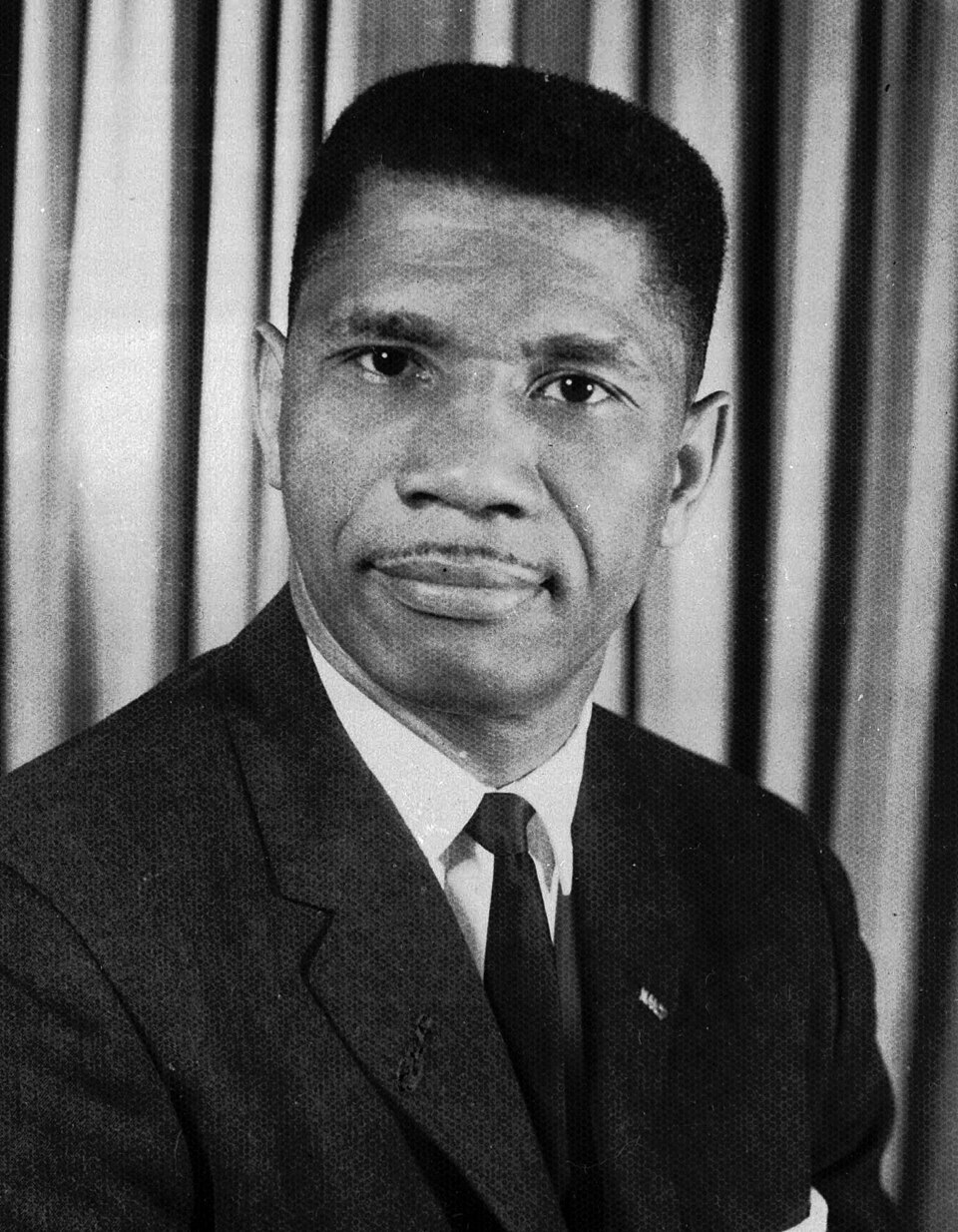
June 12, 1963. Medgar Evers, the NAACP's Mississippi field secretary, is assassinated in his Jackson driveway. His killer is not convicted until 1994.

Medgar Evers
Medgar Evers.

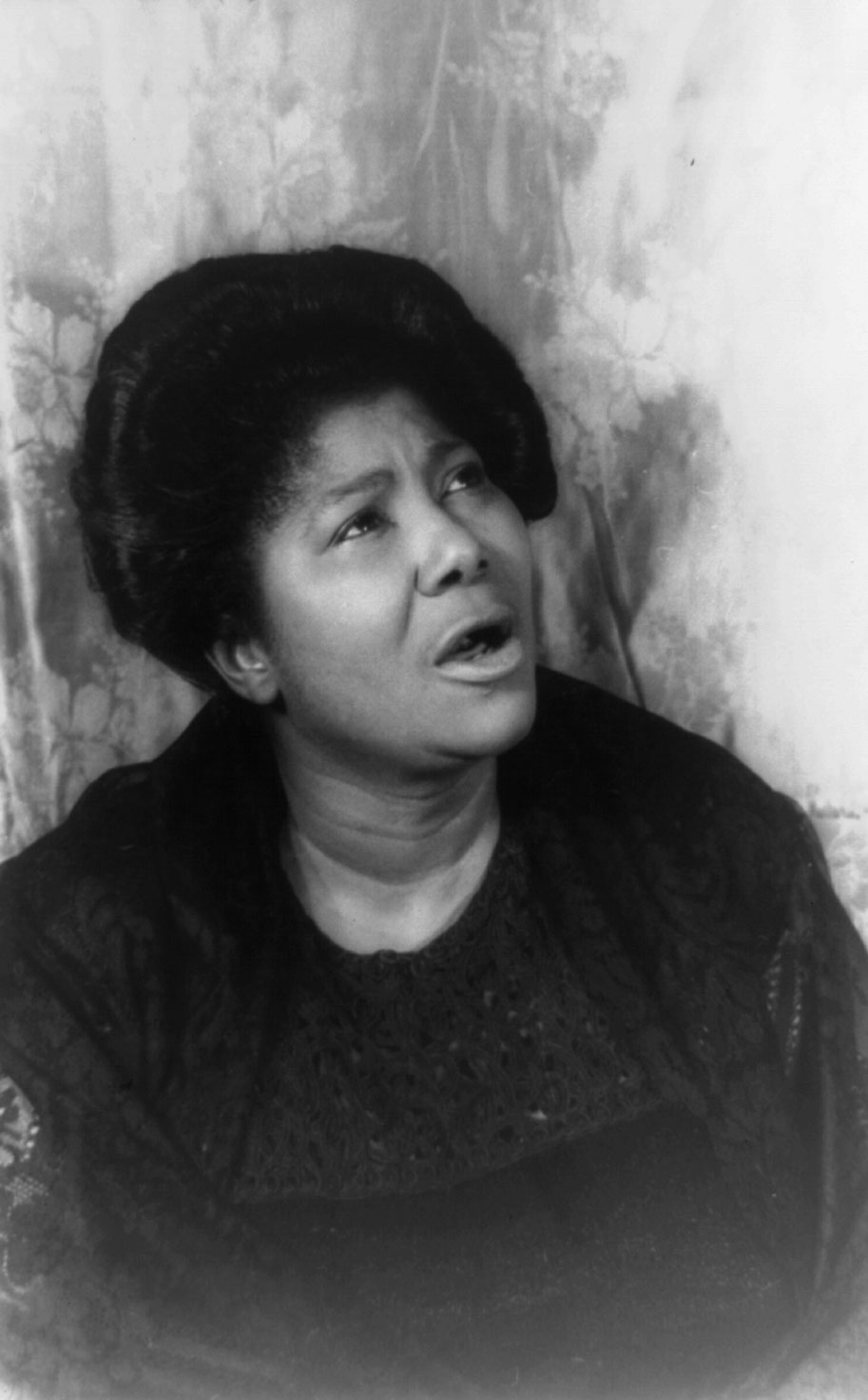
1963. Mahalia Jackson sings at the March on Washington — gospel's voice, at the movement's front.

Mahalia Jackson, photographed by Carl Van Vechten, 1962
Mahalia Jackson, 1962 · Carl Van Vechten.

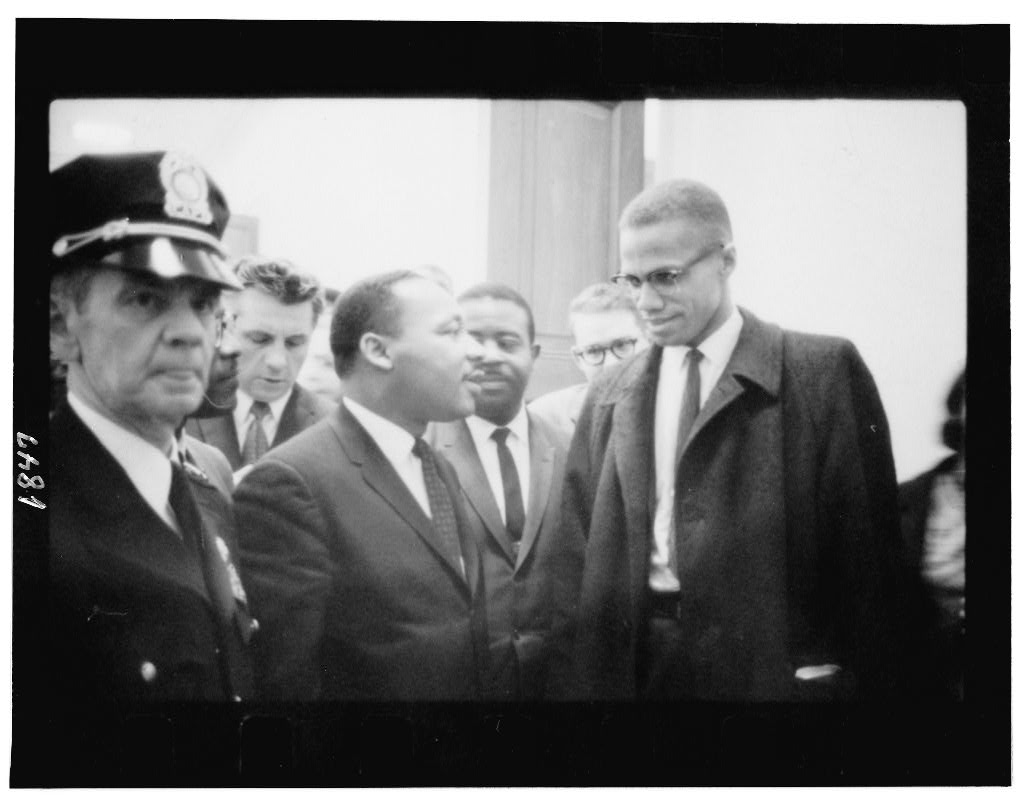
March 26, 1964. Martin Luther King Jr. and Malcolm X meet — once, briefly, in the Capitol. That November, the FBI mails King an anonymous letter and tape, the Bureau's documented attempt to break him.

Martin Luther King Jr. and Malcolm X meet, March 26, 1964
King and Malcolm X · their only meeting · March 26, 1964.

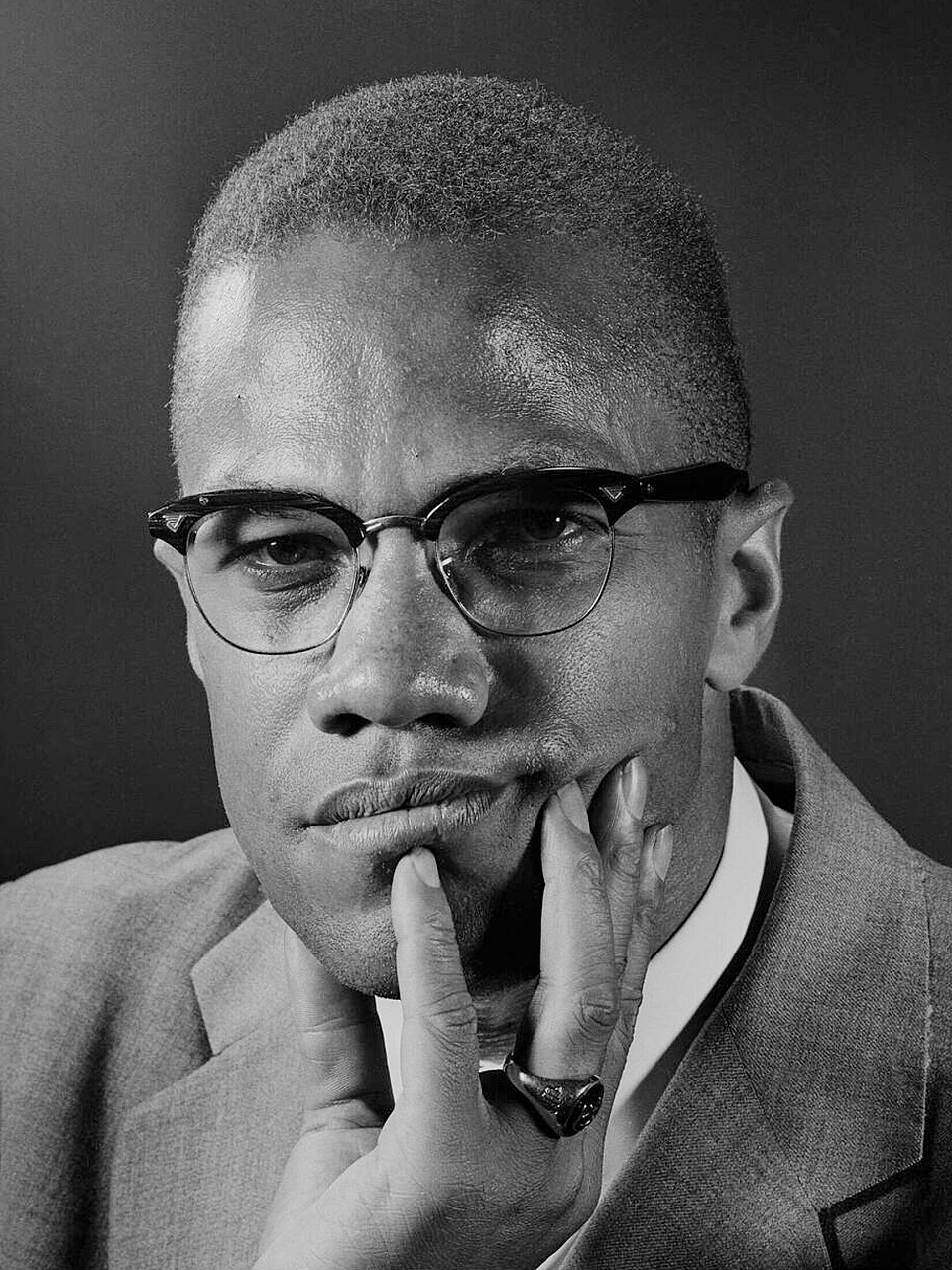
February 21, 1965. Malcolm X is assassinated at the Audubon Ballroom. In 2021, the two men convicted beside the confessed shooter are exonerated — the reinvestigation found the FBI and NYPD withheld evidence that cleared them.

Malcolm X, 1964
Malcolm X, 1964.

August 25, 1967. The FBI formalizes COINTELPRO against “Black Nationalist” groups: in its own words, to “expose, disrupt, misdirect, discredit, or otherwise neutralize” them.

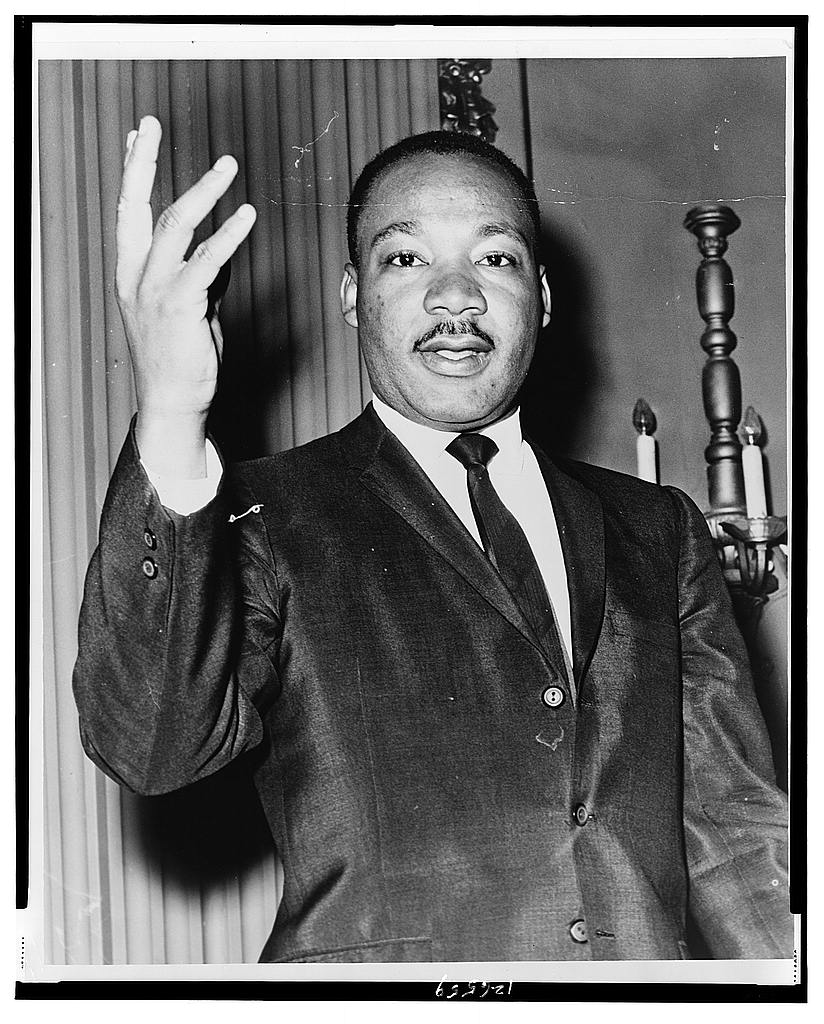
March 4, 1968. A COINTELPRO memo names the goal plainly — prevent the rise of a “messiah” who could unify and electrify the movement. One month later, on April 4, 1968, King is assassinated in Memphis.

Martin Luther King Jr., 1964
Martin Luther King Jr., 1964.

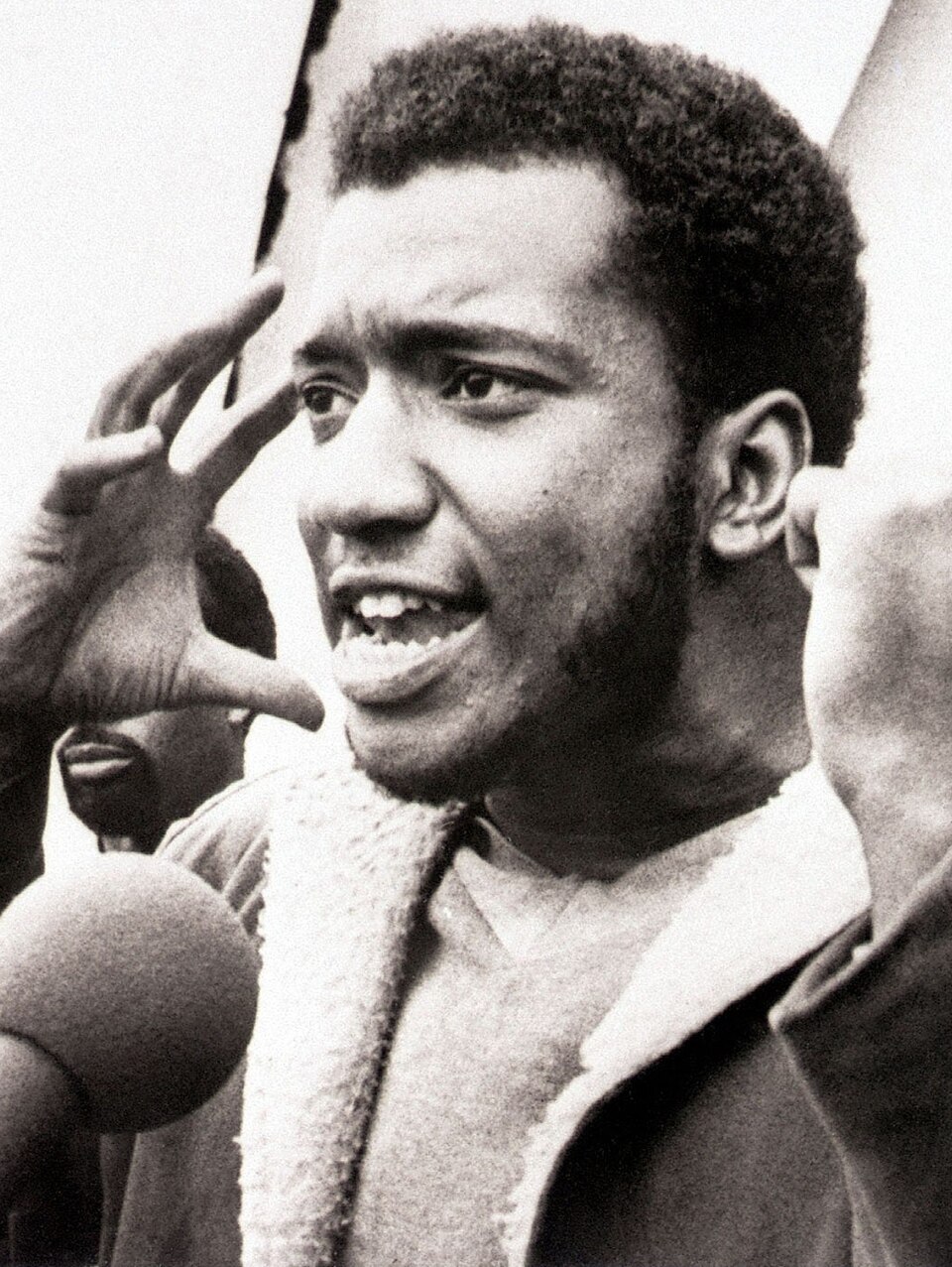
January 1969. FBI headquarters approves an anonymous letter to Chicago gang leader Jeff Fort, warning of a supposed Panther hit — the Chicago office wrote down its hope that Fort would retaliate. It was aimed at Fred Hampton, who was doing the opposite of beef: building the Rainbow Coalition and brokering truces.

December 4, 1969. Police raid 2337 West Monroe Street on a floor plan supplied by FBI informant William O'Neal, who had marked Hampton's bed. Fred Hampton, 21, and Mark Clark are killed. No raider was ever convicted; the families' civil case ended in a $1.85 million settlement in 1982 — a settlement, not a court's ruling. In 1971 the stolen Media, Pennsylvania files exposed COINTELPRO to the public, and Congress investigated. What was done in files and whispers, the record now says out loud.

Fred Hampton speaks at a rally in Grant Park, Chicago, 1969
Fred Hampton · Grant Park, Chicago, 1969.
1970–1979

The torch

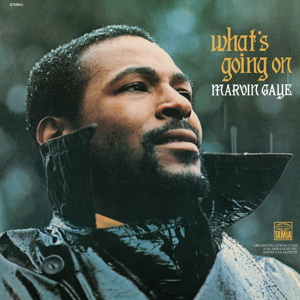
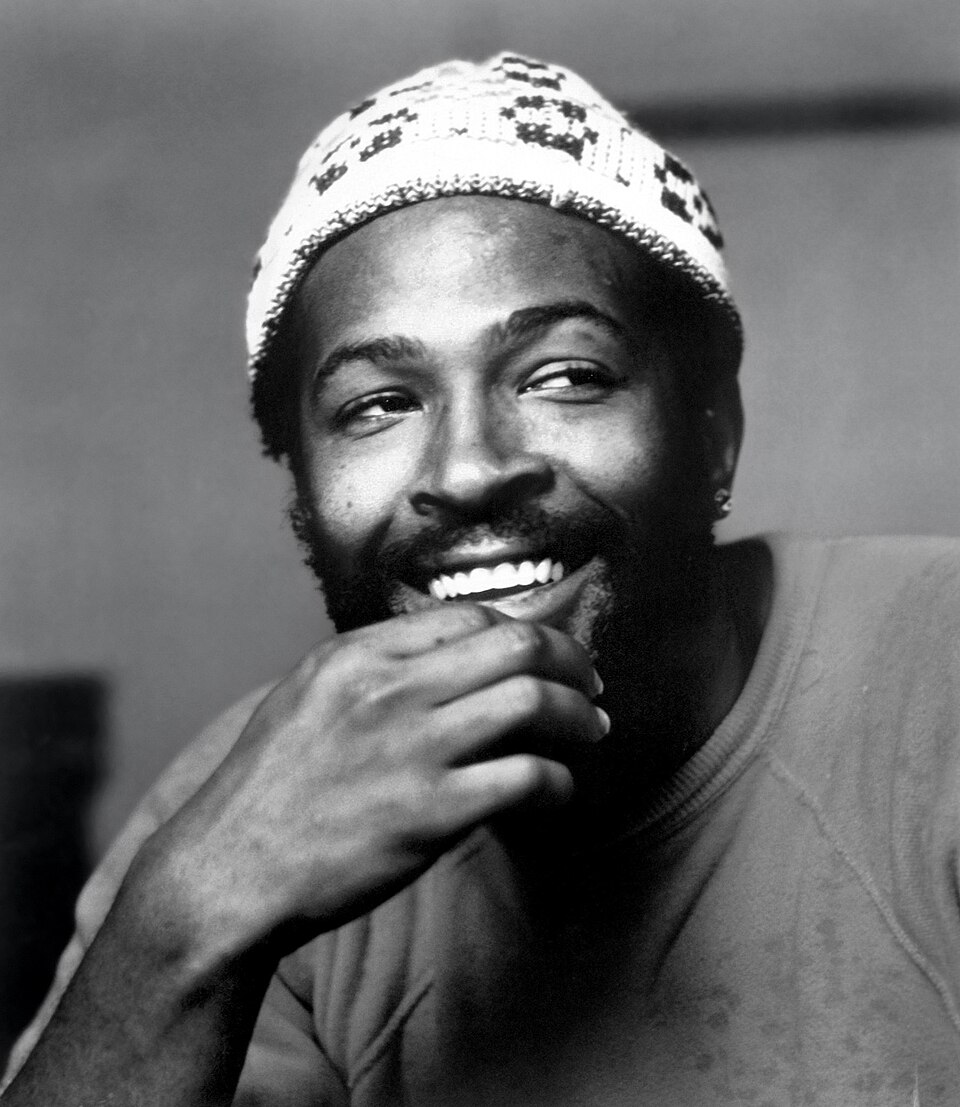
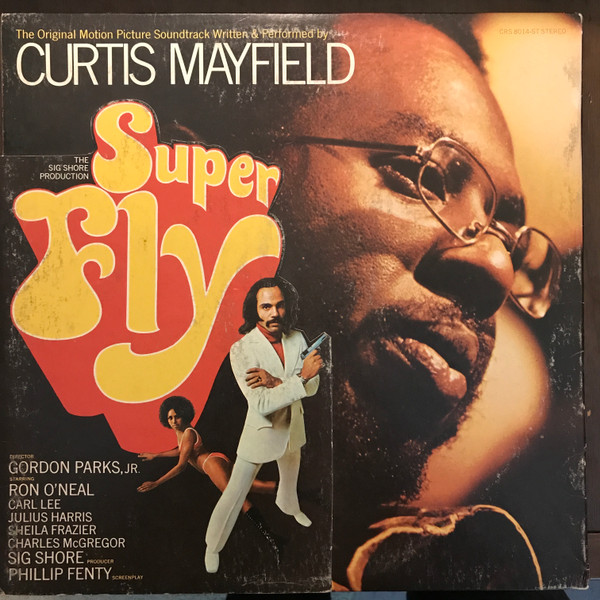
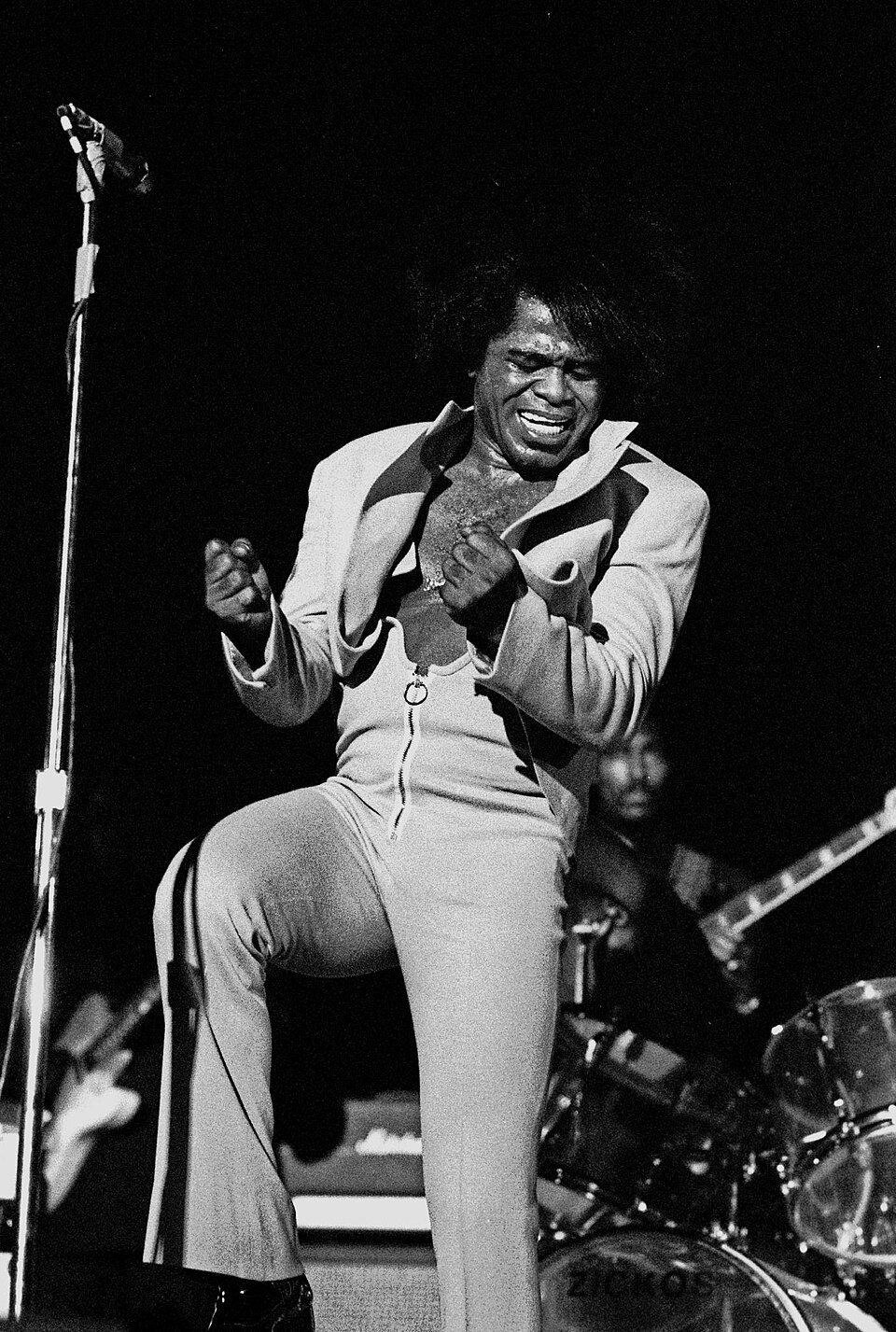
The organizations were fragmented; the music was not. Chicago's own Curtis Mayfield opened the decade with Curtis (1970) and indicted the drug trade on Super Fly (1972). Marvin Gaye asked What's Going On (1971) and made the album a social statement. James Brown's funk stripped the music to rhythm — and a generation of Bronx kids was listening, memorizing every break.

Marvin Gaye — What's Going On album cover, Tamla, 1971
Marvin Gaye · What's Going On, 1971.
Marvin Gaye, 1973
Marvin Gaye, 1973.
Curtis Mayfield — Super Fly album cover, Curtom, 1972
Curtis Mayfield · Super Fly, 1972.
James Brown performing in Hamburg, 1973
James Brown · Hamburg, 1973.
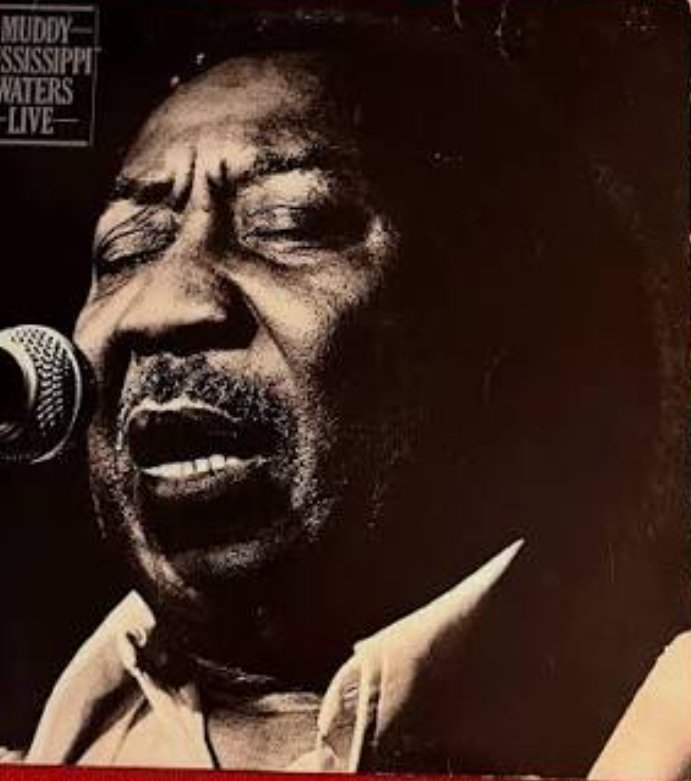
Muddy Waters — Muddy Mississippi Waters Live album cover, 1979
Muddy Waters · Muddy Mississippi Waters – Live, 1979.
1980–1984

The twin peaks — and the line arrives

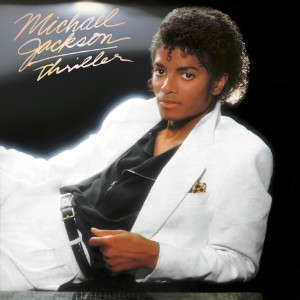
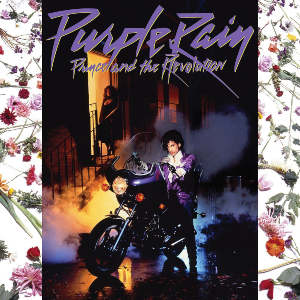
November 1982: Michael Jackson releases Thriller. June 1984: Prince releases Purple Rain. In Chicago, between those two peaks, a kid is born — born between Thriller and Purple Rain, into the line the drum started. His story comes next.

Michael Jackson — Thriller album cover, Epic, 1982
Michael Jackson · Thriller, 1982.
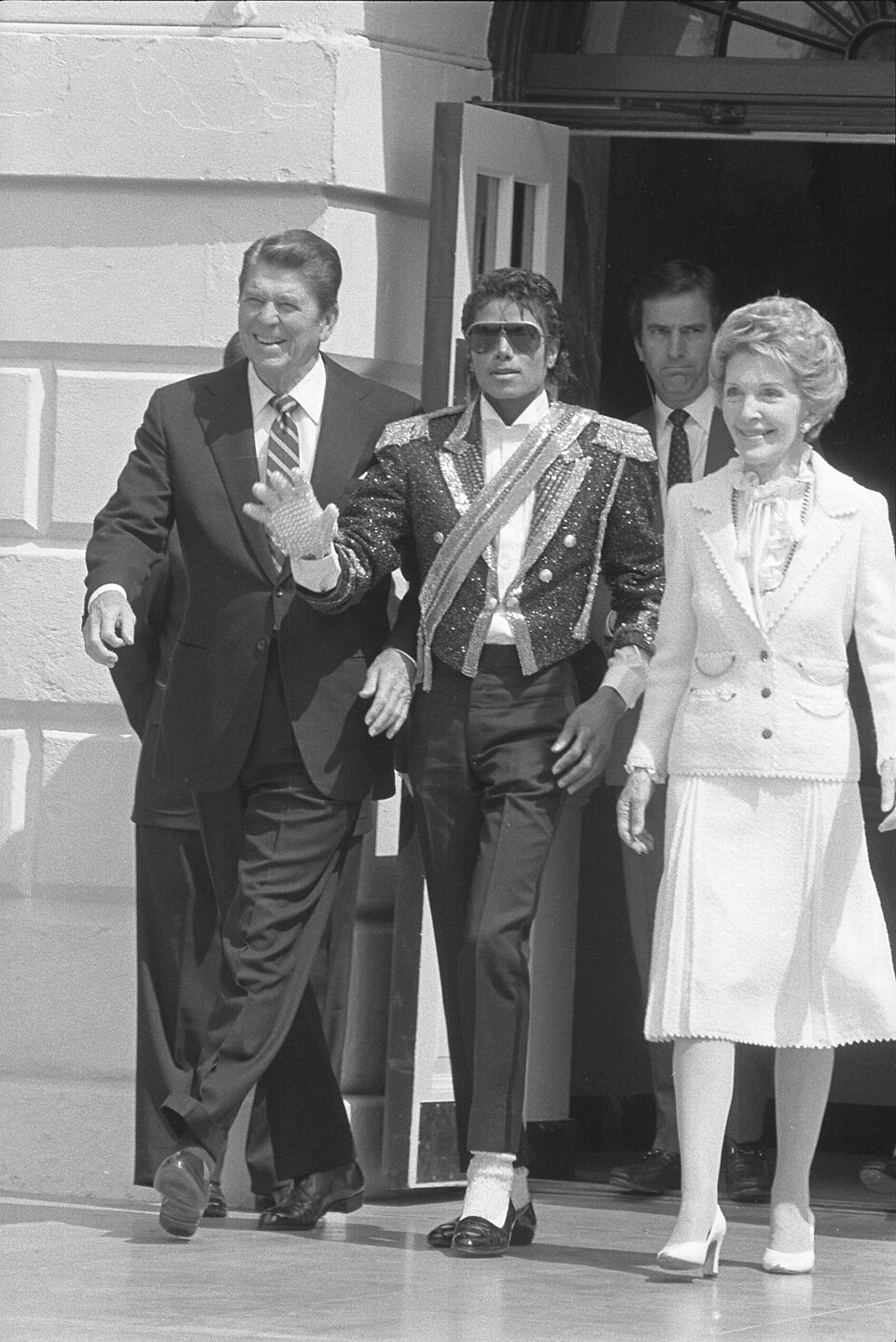
Michael Jackson at the White House with President Reagan, 1984
Michael Jackson at the White House, 1984.
Prince — Purple Rain album cover, Warner Bros., 1984
Prince · Purple Rain, 1984.
THE OTHER LINE · RHYME

Rap is old. Hip-hop is 1973.

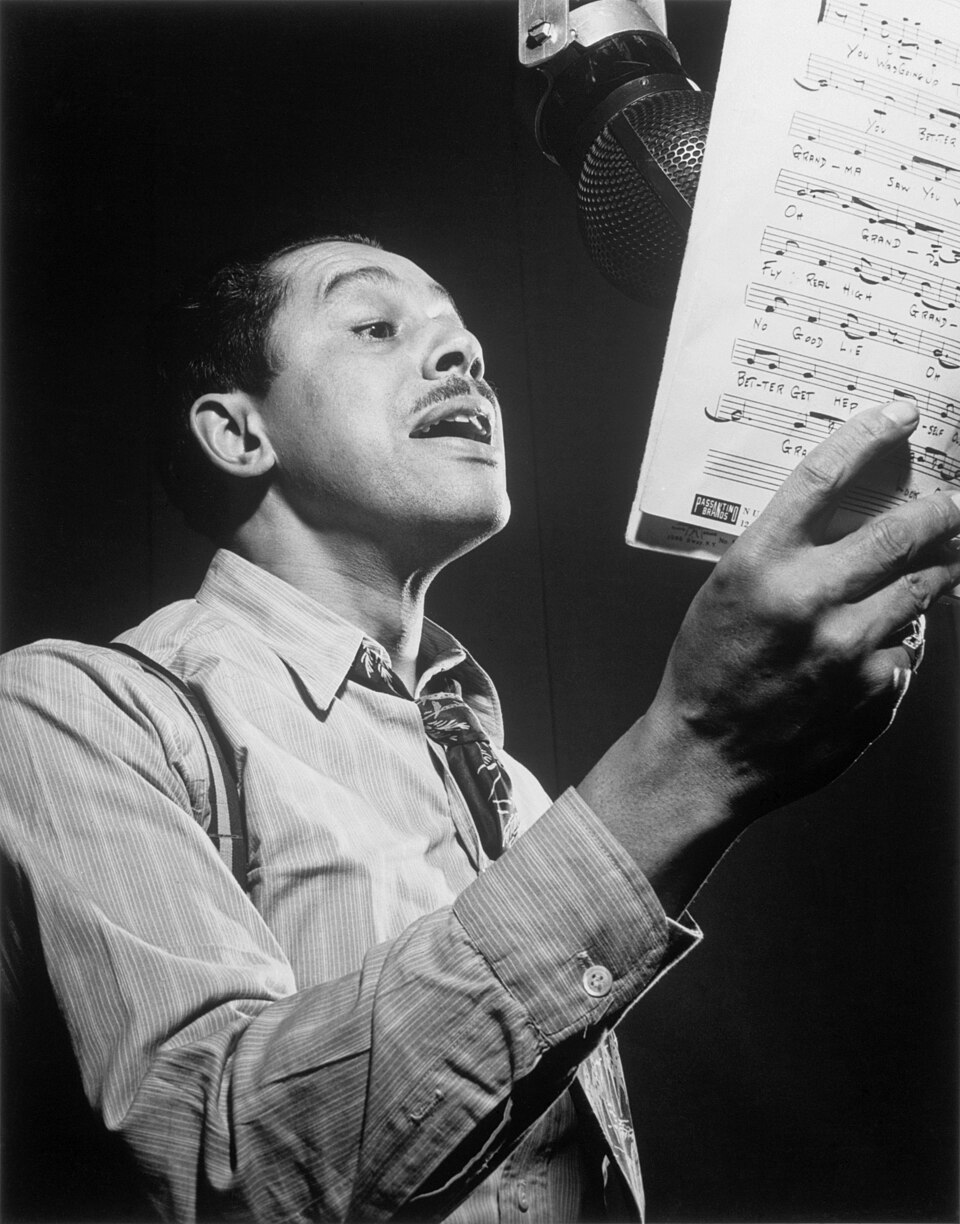
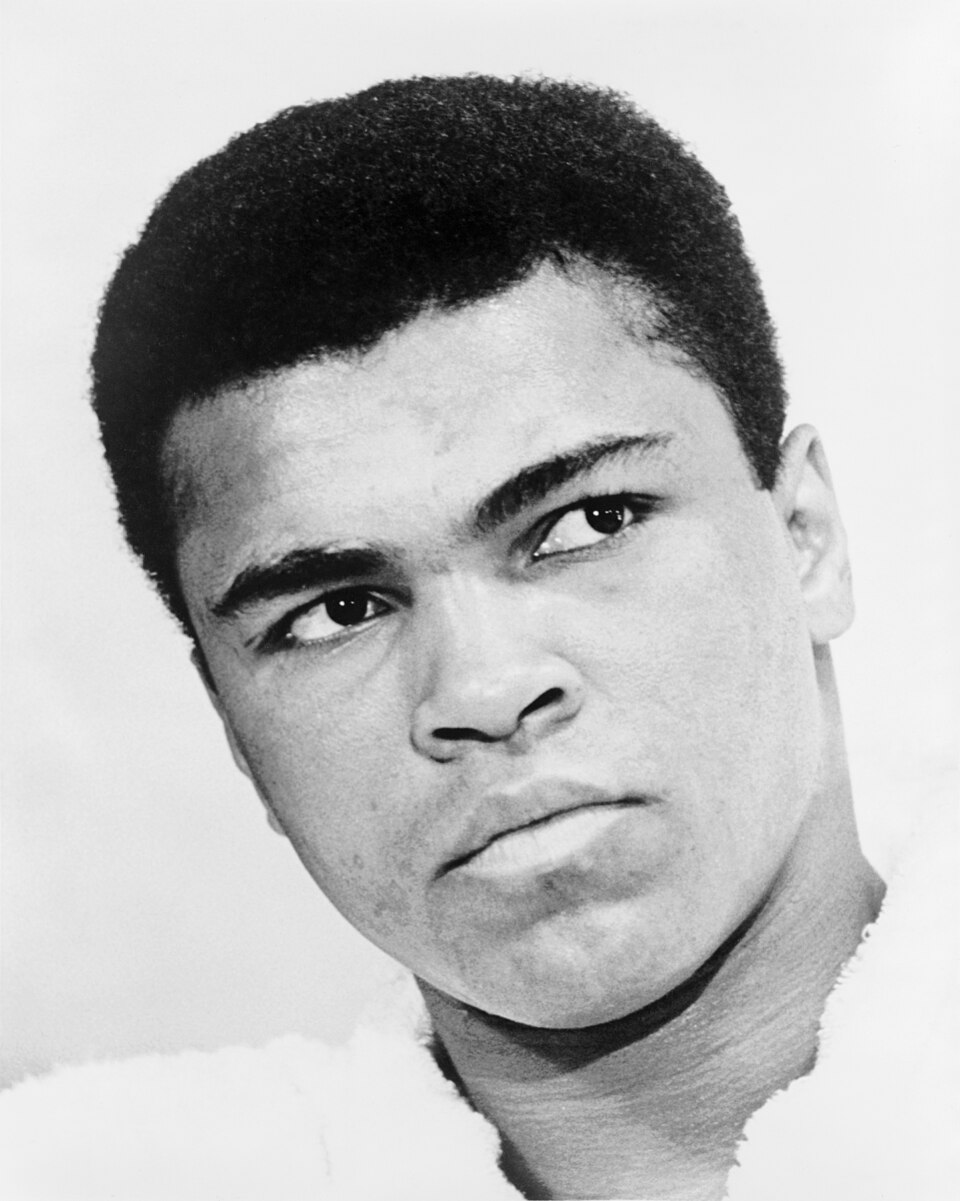
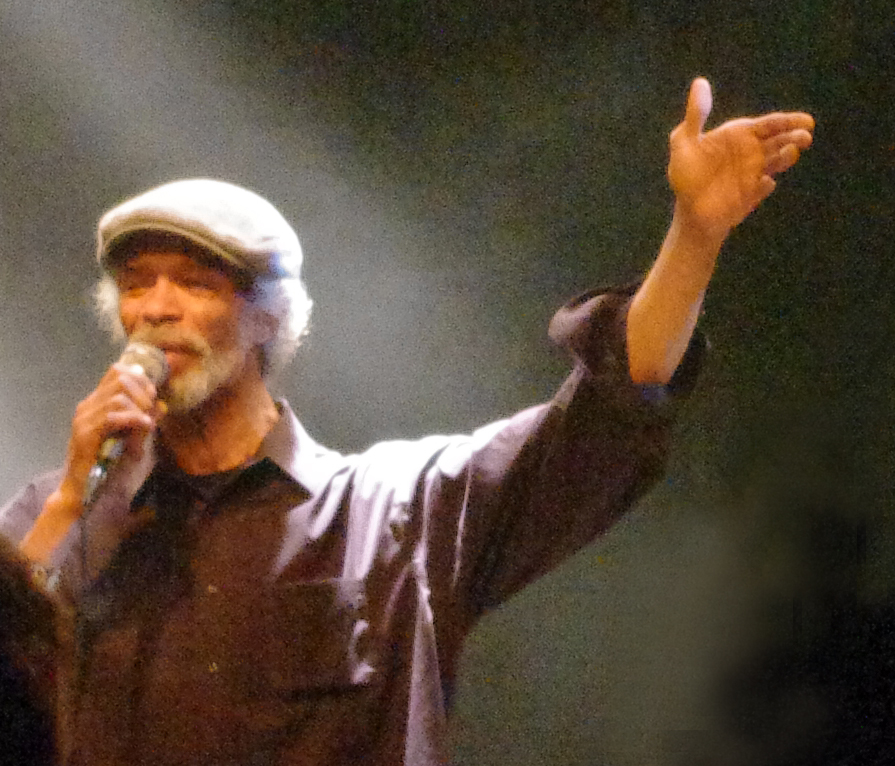
Two different origins, often confused. Rhyming is centuries deep: West African griots, the dozens, signifying and rhymed toasts, blues couplets — and then the records prove it: Cab Calloway's call-and-response in the 1930s; the Jubalaires rapping verses on “Noah” in 1946; Muhammad Ali turning the rhyming boast into mass media through the 1960s; Pigmeat Markham's “Here Come the Judge” in 1968; the Last Poets and Gil Scott-Heron in 1970.

Cab Calloway
Cab Calloway.
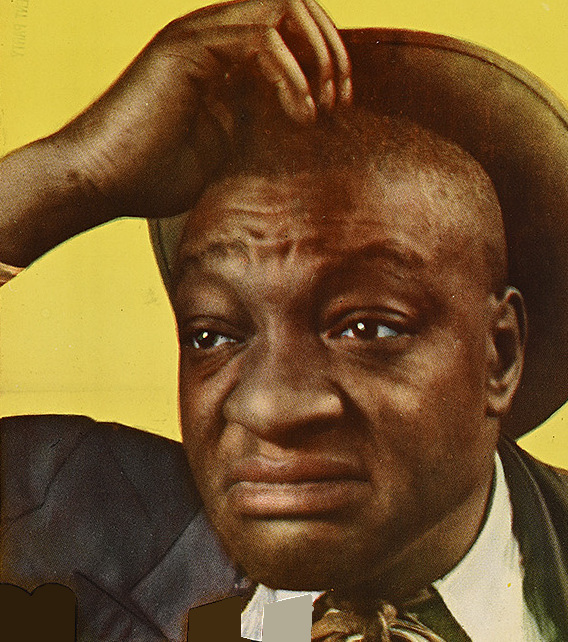
Pigmeat Markham, 1946
Pigmeat Markham, 1946.
Muhammad Ali, 1967
Muhammad Ali, 1967.
Gil Scott-Heron
Gil Scott-Heron.

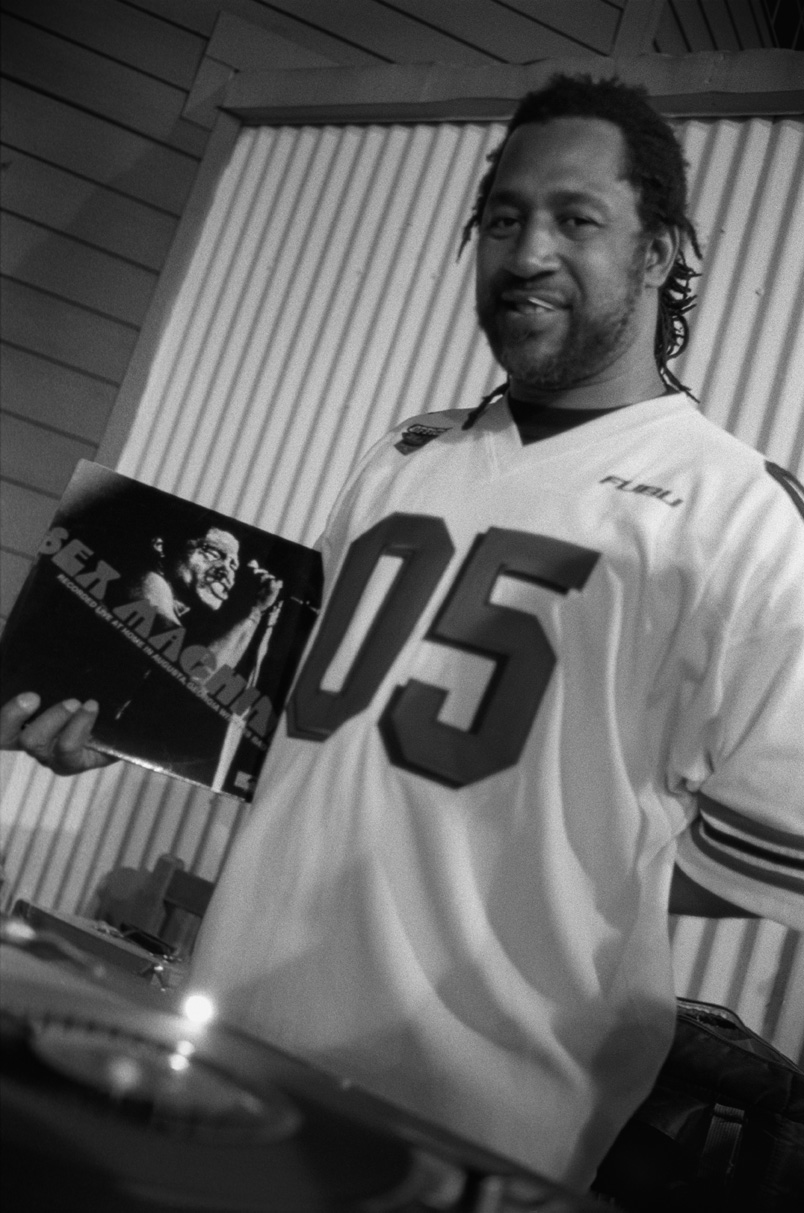
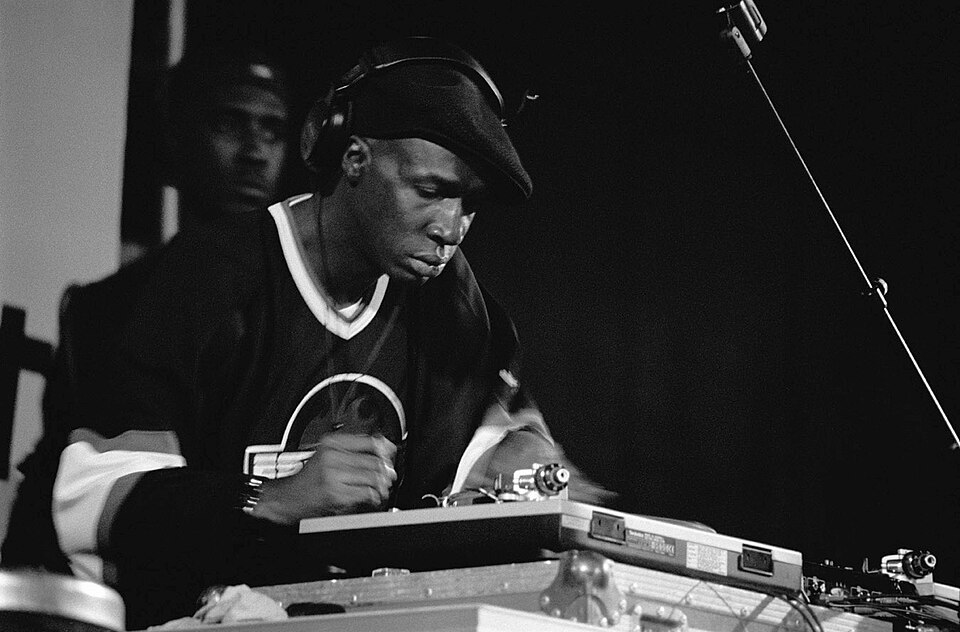
Hip-hop is the culture assembled around that practice in one place: the Bronx, August 11, 1973, where Cindy Campbell threw a back-to-school party at 1520 Sedgwick Avenue and her brother — DJ Kool Herc, Kingston-born — stretched funk breaks across two turntables for the dancers. Afrika Bambaataa named the elements: DJing, MCing, breaking, graffiti — and knowledge, the fifth element, the one that binds them all. Grandmaster Flash gave the DJ a technique. And KRS-One became the culture's teacher.

DJ Kool Herc
DJ Kool Herc.
Grandmaster Flash
Grandmaster Flash.
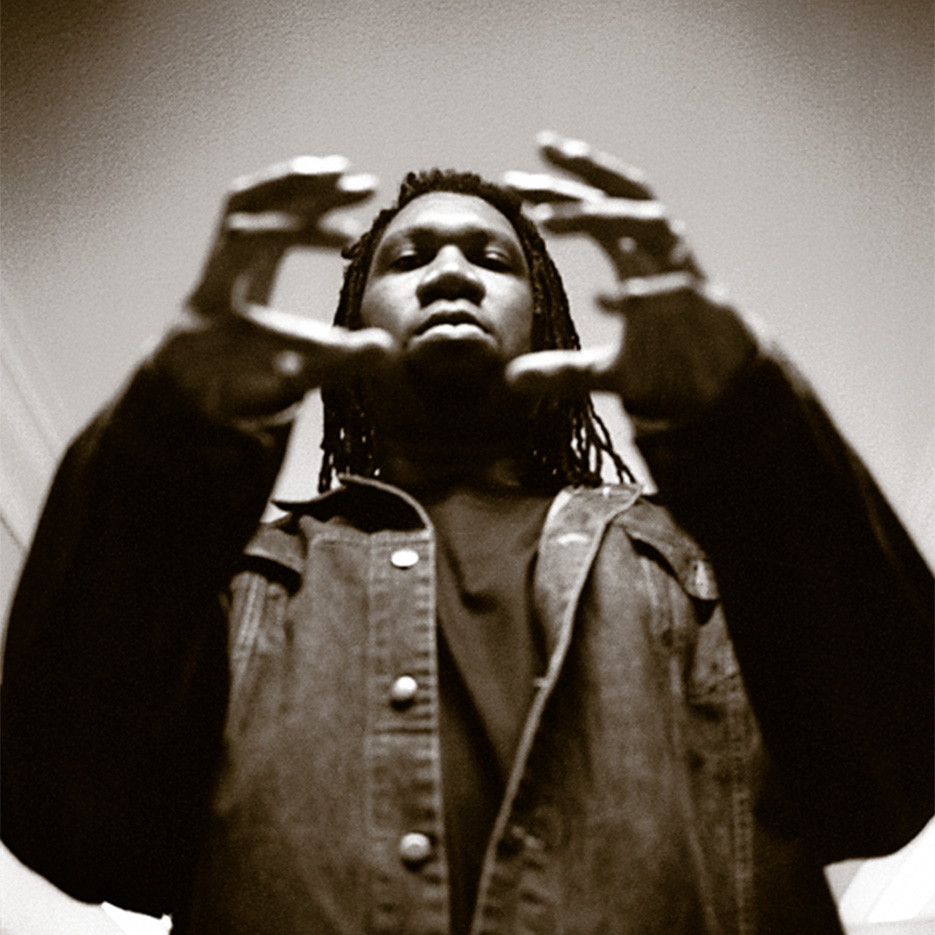
KRS-One
KRS-One — the culture's teacher.

Rap is the practice — older than the country that banned the drum. Hip-hop is the house New York built for it in 1973.

And the house had Chicago rooms from the start: the kid born between Thriller and Purple Rain would walk into it within the decade. That story — his — is the rest of this museum.

GOSPELBLUESJAZZSOULFUNKROCKREGGAEHIP-HOP
MAHALIA
JACKSON
GOSPEL · CHICAGO
BLUES
→ CHICAGO
THE SOUTHERN SOUND REBUILT IN THE CITY
SOUL
→ MESSAGE
SAM COOKE · CURTIS MAYFIELD · THE VOICE AS MORE THAN ENTERTAINMENT

THE LINEAGE

Hip-hop didn't begin with an empty room.

The museum treats gospel, blues, jazz, soul, funk, rock and reggae as living tributaries—not a checklist of genres. They form part of the musical world hip-hop could later sample, rearrange and speak through.

CHICAGO · 1941

The city the family entered had a history before SEEA had a memory.

South Side streets, homes, churches and neighborhood boundaries become the opening walls of the archive.

GOSPEL · SOUTH SIDE · 1941

Before the sample,
there was the spirit.

Churches, choirs, testimony and communal music were already part of Black Chicago's sound world. The musical lineage is allowed to exist before hip-hop arrives.

PLACE · RACE · CHICAGO

Migration changed the map.
It did not erase racism.

The museum shows the physical city too: neighborhood boundaries, housing and the everyday environments Black Chicagoans navigated after migration from the South.

THE CITY AFTER DARK · 1940–41

Music lived in churches.
It lived in clubs too.

The South Side archive documents theaters, dance halls, taverns, cabarets, musicians and audiences—the social rooms where sound circulated.

SOUL · MESSAGE · THE ARTIST AS A VOICE

The song could carry more than entertainment.

Sam Cooke and Curtis Mayfield belong here not simply as famous faces, but as part of the lineage in which melody, social observation and an artist's point of view could coexist.

Sam Cooke, 1961
SAM COOKE · 1961
Curtis Mayfield, 1973
CURTIS MAYFIELD · 1973
BEFORE
MEMORY
HISTORY IN MOTIONSOUTH → CHICAGOOn each side, it was a forced migration.

INHERITANCE · FAMILY · PLACE

The story was moving before I knew I was in it.

My family's southern migration from Mississippi to Chicago is a similar story on both sides. On each side, it was a forced migration.

On my mother's side, there were 14 kids. My uncle refused to pick cotton because he wanted to drive a tractor for pennies a day, which is an upgrade from picking cotton. And because he didn't want to pick cotton, they were gonna do something to him. They threatened his life, and my grandma sent him up north to Chicago, and soon after, the whole family followed — having to trick the plantation owner out of one of his cars, stating that they needed the car to drive his family to another plantation for work. They just kept going north to Chicago.

On my father's side, there were 10. My grandfather was being overworked on a plantation, severely overworked, and one of the owners or overseers disrespected my grandmother, and he snapped and beat up the plantation owner, or overseer, whoever was in control. And at that time, if you put your hands on a white person, you could have got hung, lynched, anything, and they were forced to migrate up north to Chicago.

And although this is my family story, this is an all too familiar story of not only migration, but forced migration of many southern Blacks to up north cities. Some chasing dreams, music, blues, better conditions, wanting to escape racism. They lifted and moved culture, traditions, families, and what was created was out of the adaptation to a different environment. Music, politics, culture, and a different experience.

HISTORY

Public history belongs here as documented context. Personal recollection begins when SEEA can remember it himself.

ORIGIN

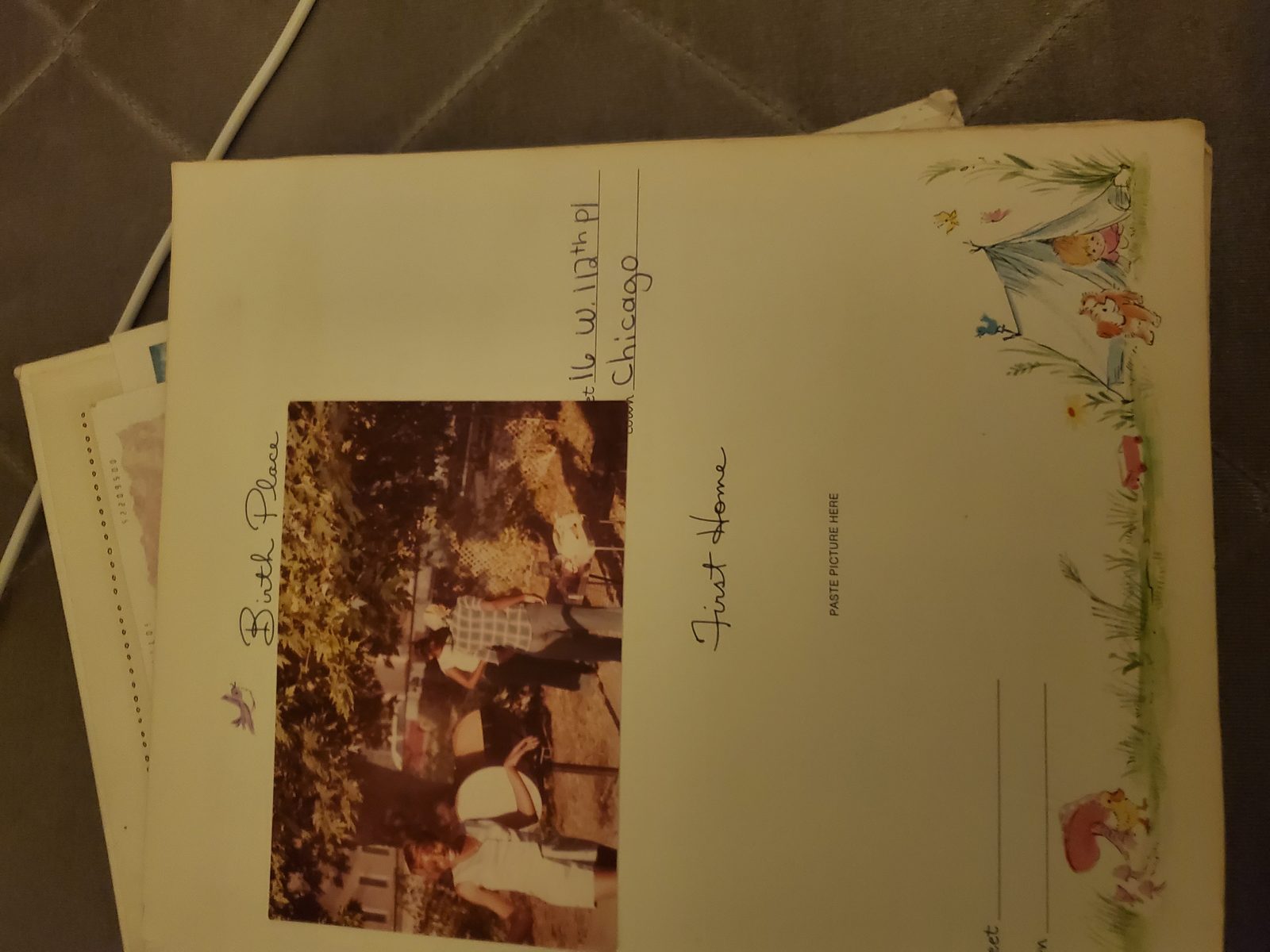
FROM THE BABY BOOK · PRIMARY ARTIFACTS

Before the records,
there was a place and a soundtrack.

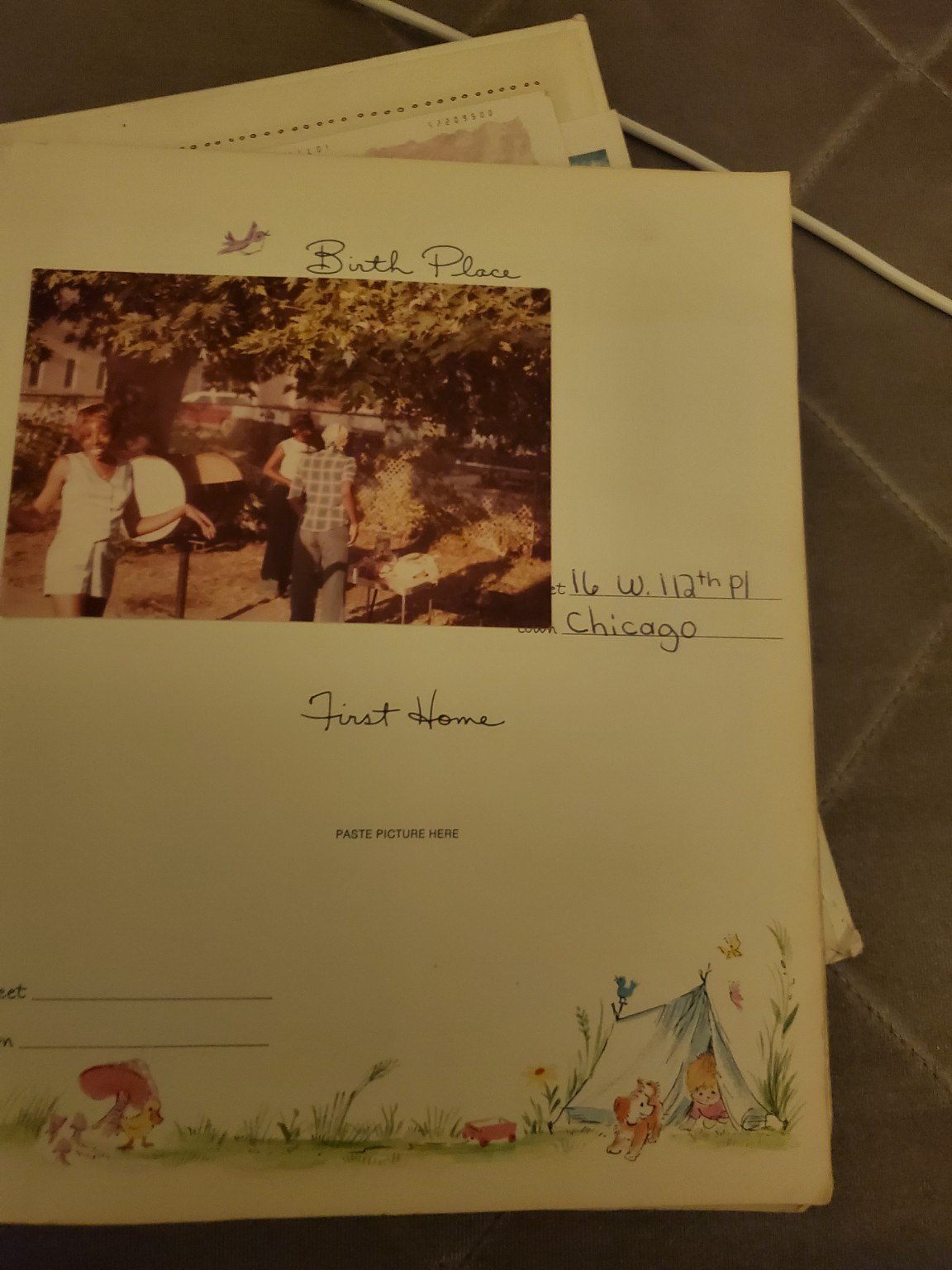
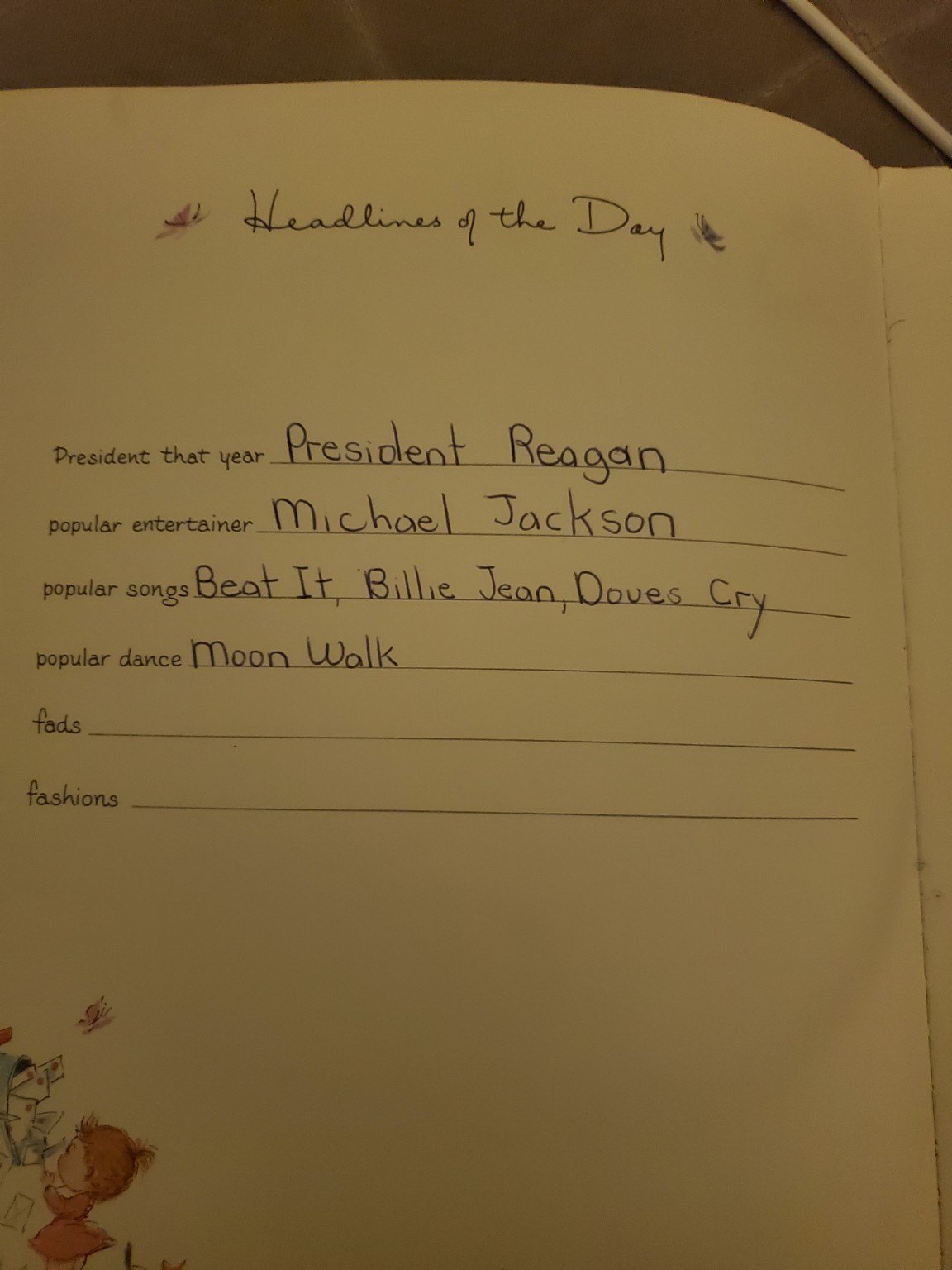
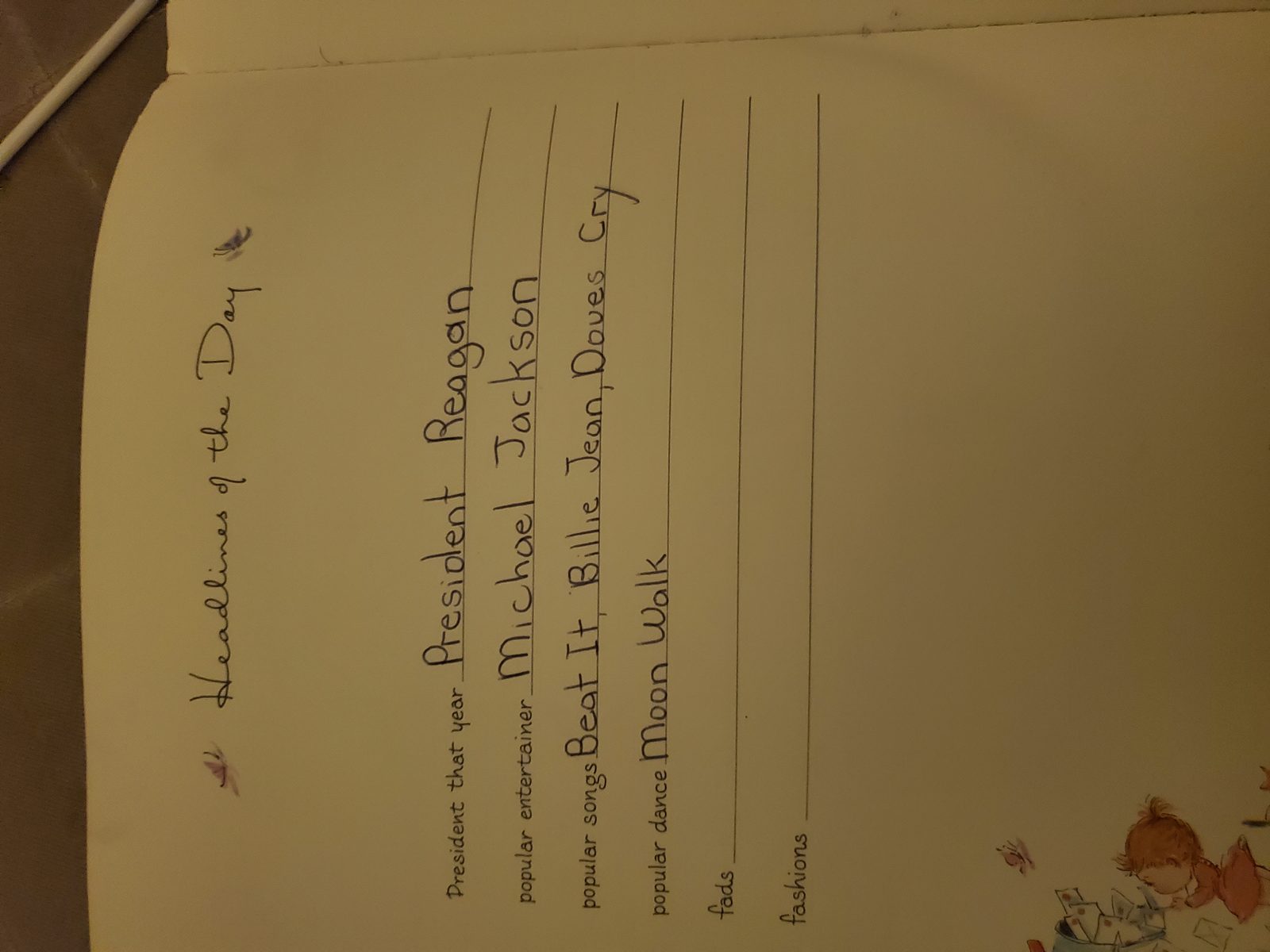
These pages are shown as they survive in the family baby book. They establish the first home and preserve what the book recorded as the popular music and culture surrounding the beginning of the story.

Baby-book page marked Birth Place and First Home
FIRST HOMEThe beginning of the personal timeline.
Baby-book Headlines of the Day page listing popular entertainer, songs and dance
THE SOUND AROUND THE BEGINNINGThe baby book records Michael Jackson, Beat It, Billie Jean, Doves Cry and Moon Walk.

THE WALL CHANGES HERE

History becomes memory.
Memory becomes recordings.

As the chronology approaches SEEA's lifetime, researched historical scenery gives way to family photographs, television memories, Chicago basketball, records bought with his own money, early recordings and eventually the catalog itself.

HISTORYMEMORYRECORDINGCATALOG
Michael Jackson, 1984 publicity photograph
MICHAEL JACKSON · 1984
MAGIC
Prince, 1984 publicity photograph
PRINCE · 1984

THE WORLD AROUND CHILDHOOD

Boundlessness looked normal before anybody explained the rules.

Watching Michael Jackson and Prince as a kid felt magical. Later, another lesson became visible: Michael could move through rock, soul, dance music and ballads without asking permission from a genre. That boundlessness became part of SEEA's own idea of what an artist could be.

“All these genres can be used. You don't have to be boxed into one.”
1989
MEMORY SIGNAL · LATE 1980sYO! MTV RAPS → RAP CITYAn older brother's tapes become a first window into hip-hop.

SEEA REMEMBERS · AGE SIX

“Everything was just hip-hop.”

First came Yo! MTV Raps; later came Rap City. KRS-One, Rakim, Ice Cube, Run-D.M.C. and message records shared the screen with radically different kinds of rap. As a little kid, the categories were not the point. It was all hip-hop.

SELF DESTRUCTION→WE'RE ALL IN THE SAME GANG→HAMMER→VANILLA ICE
Eric B. and Rakim, 1987 press photograph
ERIC B. & RAKIM · 1987Rakim was one of the first MCs SEEA remembers as a teacher of the craft.
1989 · I REMEMBEREVERYTHING
WAS JUST
HIP-HOP.

Different voices. Different regions. Different ideas. One culture on the screen.

Run-DMC, May 1988 press photograph
RUN-DMC · 1988The visual language of rap was already part of the room.
Run-DMC and Beastie Boys, 1987 press photograph
THE RAP WORLD · 1987Styles that looked and sounded different could still occupy the same hip-hop world.
1989 · EAST COAST

SELF DESTRUCTION

KRS-One · D-Nice · Chuck D · Flavor Flav · MC Lyte · Heavy D · Kool Moe Dee · Doug E. Fresh · Just-Ice · Daddy-O · Ms. Melodie

STOP THE VIOLENCE MOVEMENT
1990 · WEST COAST

WE’RE ALL IN THE SAME GANG

Ice-T · N.W.A. · Digital Underground · MC Hammer · Tone Lōc · Young MC · Michel’le · J.J. Fad · King Tee · Def Jef · Above the Law · Oaktown’s 3.5.7

WEST COAST RAP ALL-STARS

The ensemble recordings anchor the wall. The surrounding period photographs are used from source records identifying them as U.S. public domain; copyrighted Jive and Warner promotional/video stills remain excluded.

OPEN MEMORYToo Short looked conscious to me

The first Too Short record SEEA remembers encountering was The Ghetto. As a child, that first impression made him read Too Short almost like a conscious rapper. A strange image around a swing in the video stuck with him and even spooked him. The memory matters because message and observation did not seem fenced off from the rest of hip-hop.

OPEN MEMORYThe balanced meal

In SEEA's memory, early hip-hop felt like a balanced meal: positive, street, party, philosophical, funny and serious voices could coexist. That early sense of range stayed in the background even when his own music later became contradictory.

OPEN MEMORYFirst funerals

Around this same childhood period, SEEA remembers his grandmother and an uncle dying in the same year. They were among the first funerals he remembers attending. Years later, another season of loss would change the direction of the music.

HOME
FAMILY ARCHIVETHE MUSIC ALREADY IN THE ROOMChildhood video, family photographs and record artifacts.
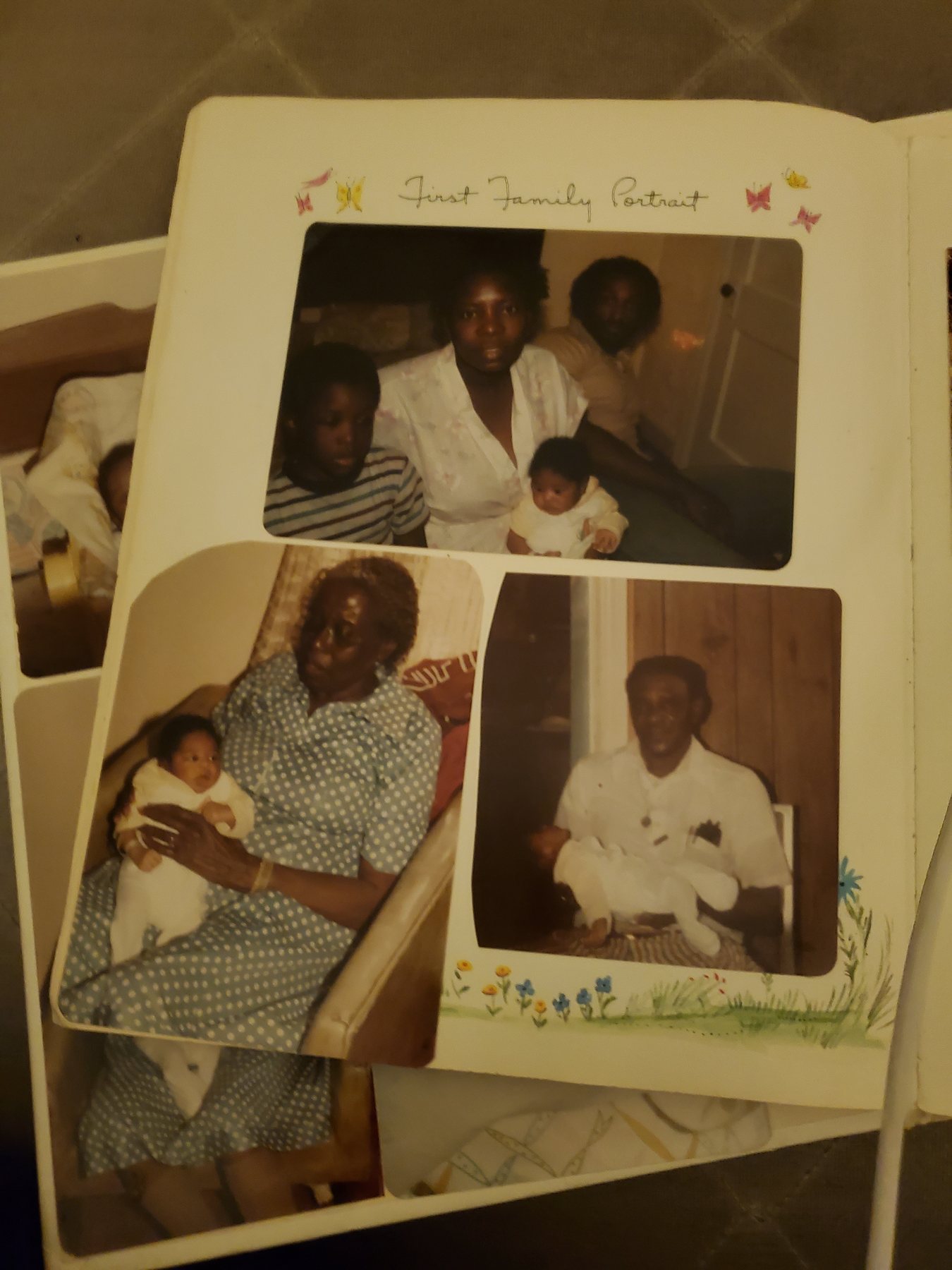
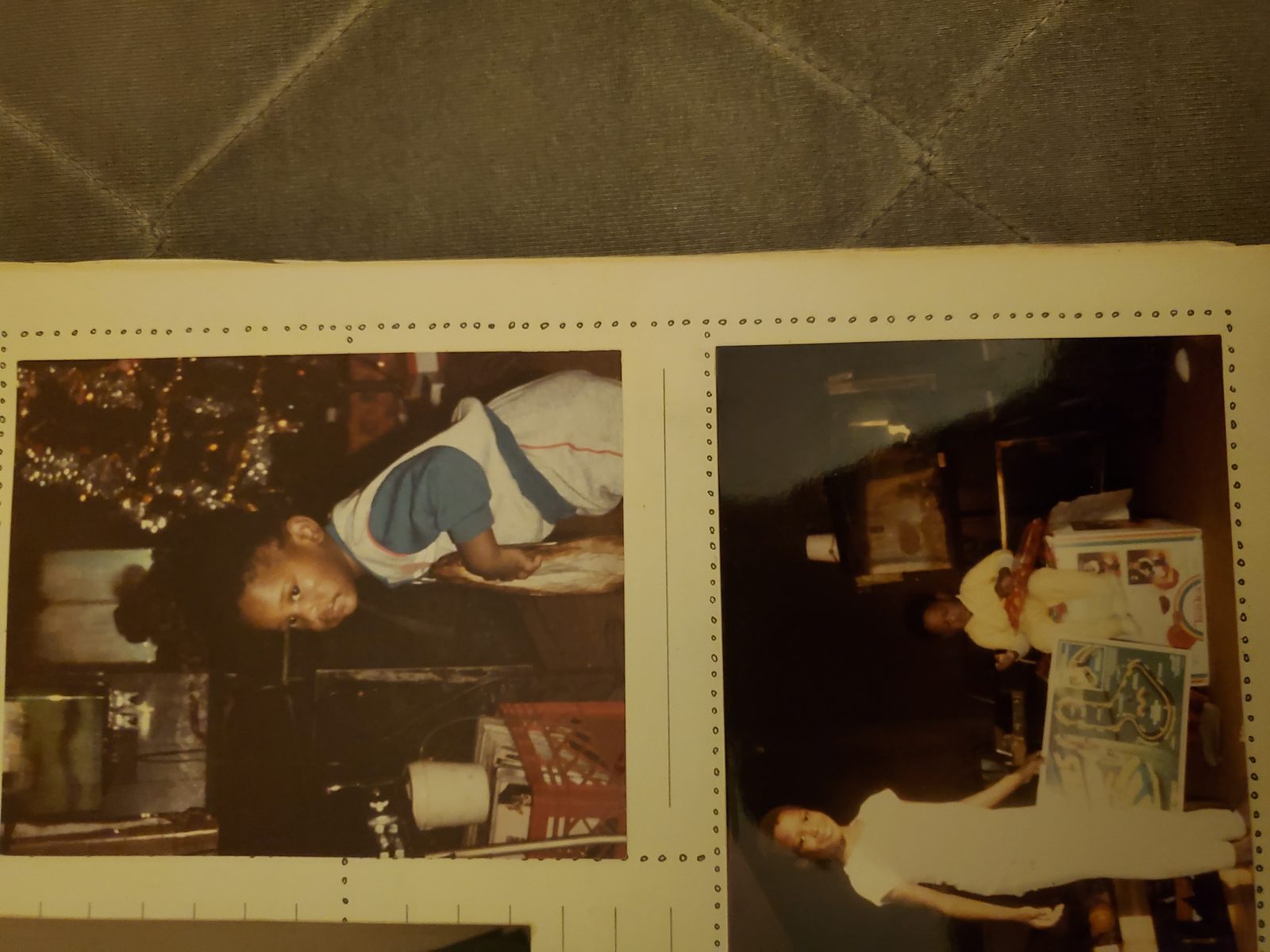
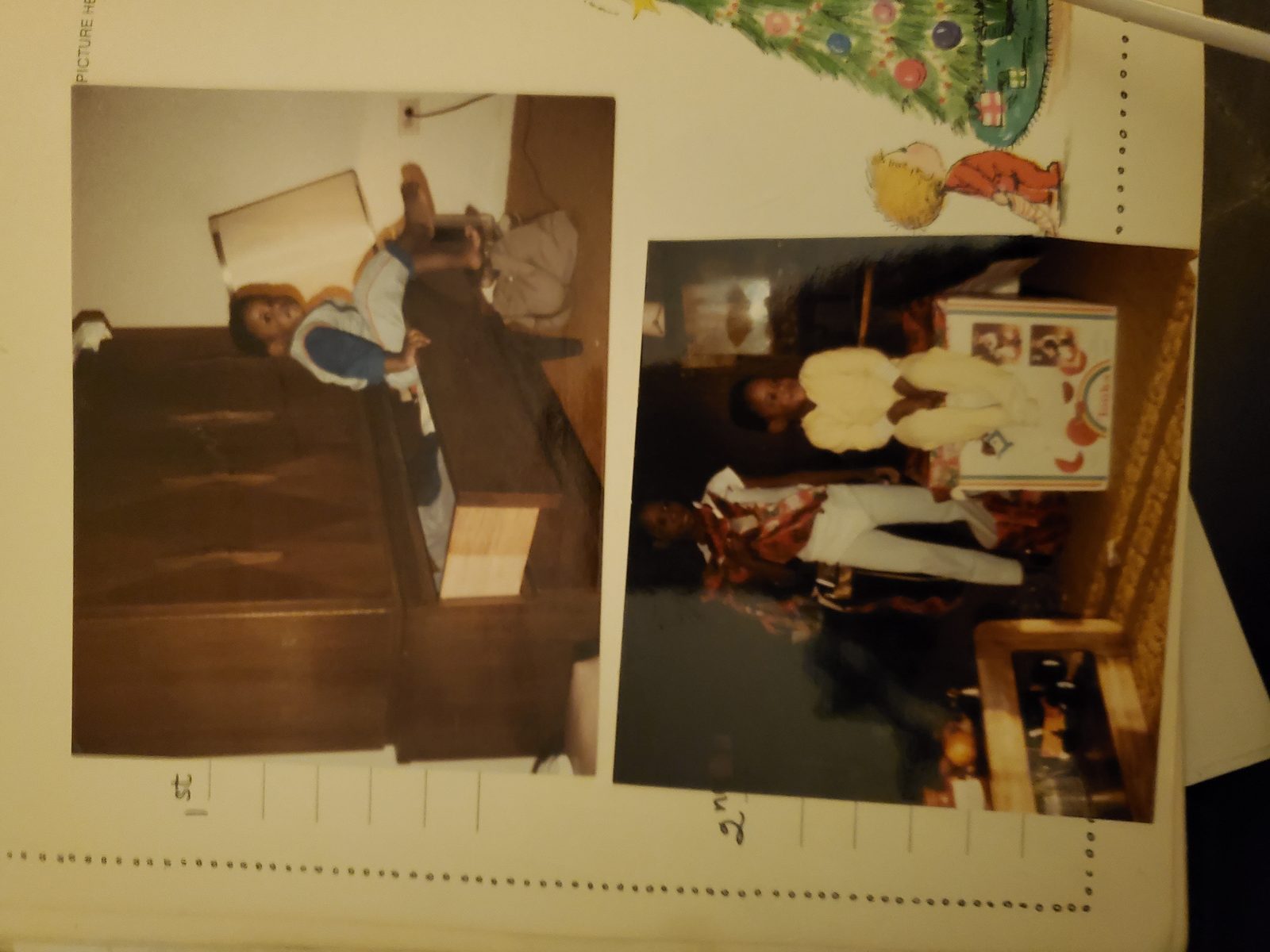
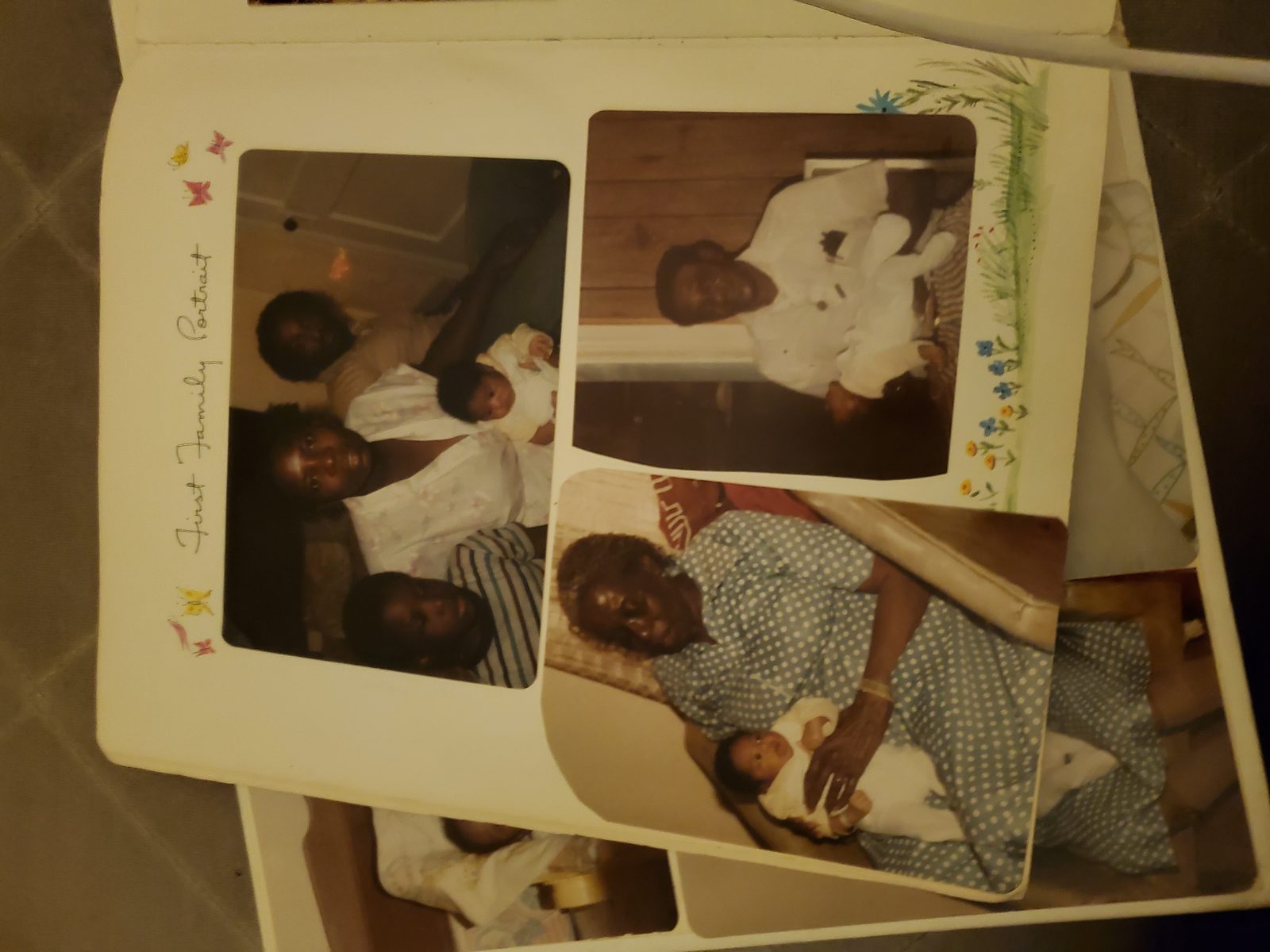
A photographed page from SEEA's family baby book
PERSONAL ARCHIVE · BABY BOOK
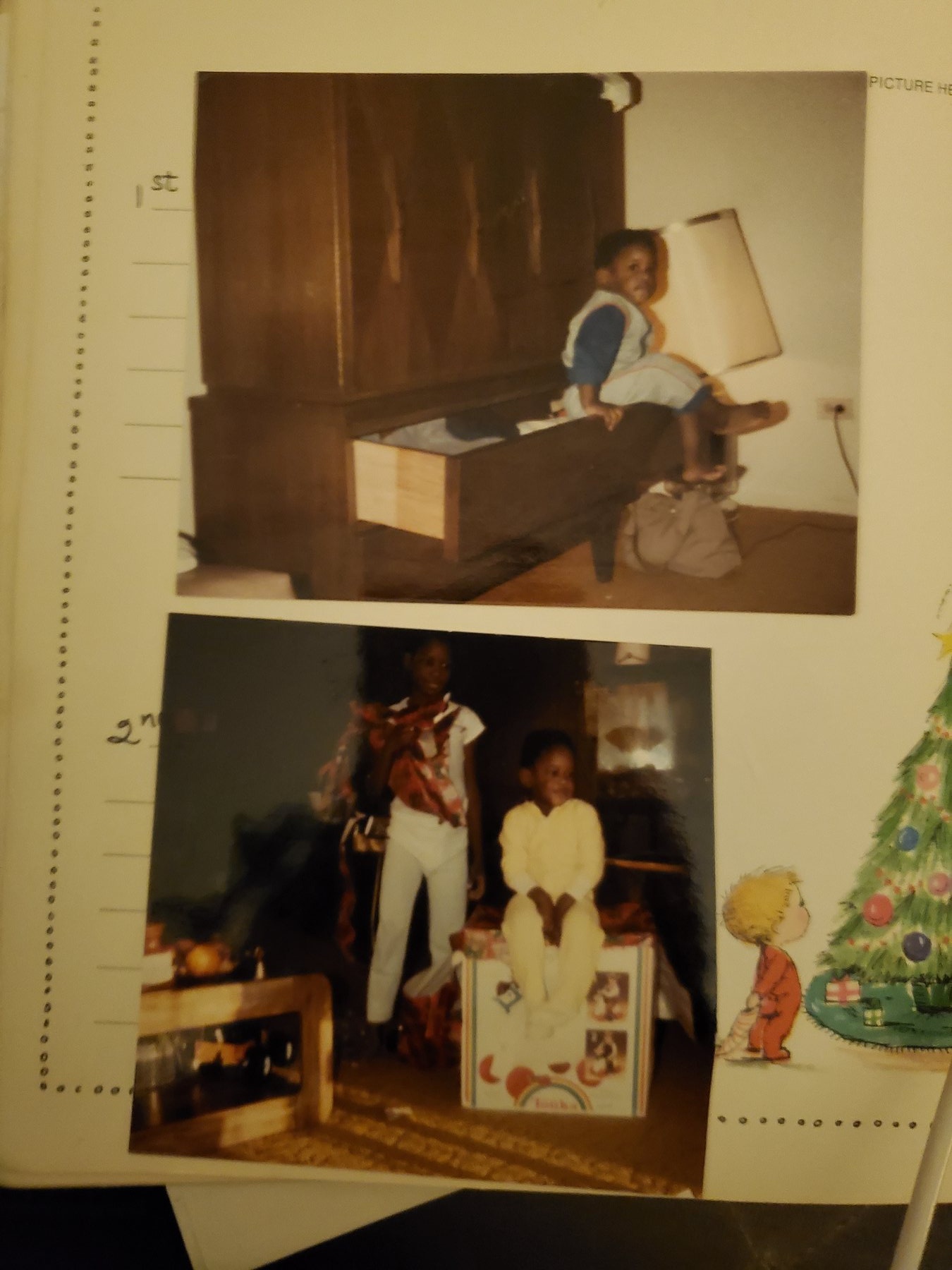
A photographed childhood page from SEEA's family archive
THE PAGE STAYS AN OBJECT — NOT A STOCK RECREATION

FAMILY SOUNDTRACK

Some influences were already playing in the background.

ARTIFACT 01Sundays with my father

Bob Marley. Curtis Mayfield. The Temptations. Marvin Gaye. War. Jazz. A six-disc changer and a different lesson about what music could carry.

I grew to love those artists — mainly Curtis Mayfield and Bob Marley, who I was always listening to. I was always up on Marvin. And The Temptations, of course.

When he picked me up on Sundays, rap wasn't allowed in the car — too much cursing in it, and he didn't care for it. So the changer chose, and those sounds became my choices. Every once in a while I'd try to talk him into a rap CD, or sneak one in — he'd catch it every time. So I learned to choose what I played for him: certain type of songs, the ones that put our best foot forward, so he wouldn't just call it rap crap and say, What you got me listening to? like he always did. He liked Mos Def's Black on Both Sides, some of Nas' songs, and Lupe Fiasco.

MESSAGE →
ARTIFACT 02Mom's Sade record

Love Deluxe played in the house. Childhood video still holds Sade in the background. Years later, SEEA would rap over and sample Sade more than once.

MEMORY → SAMPLE → RECORD
“The rappers taught me how to rap. Some of that other music showed me what kind of artist I wanted to be.”
Michael Jordan holding his Chicago Bulls jersey in 1984
1984CHICAGO1991–93THREE-PEAT1993RETIREMENT1995I'M BACK1996–98THREE MORE

CHICAGO CHILDHOOD · PROGRESSION

It felt like watching a superhero get his powers back.

Basketball came before rap as the main ambition. Growing up around the Bulls dynasty made progression and winning feel almost normal. Jordan's retirement interrupted that rhythm; his return felt, in SEEA's childhood memory, like a superhero recovering his powers.

CHI
90s

CHICAGO · BASKETBALL · PROGRESSION

Rap wasn't Plan A.

The idea of rapping existed, but basketball occupied the time first. Growing up in Chicago during Michael Jordan's Bulls era, winning started to feel normal. From SEEA's childhood perspective, hip-hop seemed to progress the same way: new flows, rhyme patterns, voices and possibilities kept arriving.

THE EXPECTATION

Things were supposed to keep getting better.

That expectation matters later. When the music began to feel different to him, he noticed the change because progression had been the normal condition of his childhood.

90s

MY TEACHERS · TEENAGE YEARS

Now the teachers become personal.

The earliest artists taught SEEA what hip-hop could contain. By the teenage years, Biggie and Tupac became something different: rappers he consciously studied while imagining what kind of MC he might become. Nas, Jay-Z, Outkast, Eminem and others added different tools.

BIGGIEUnexpected phrasing made rapping exciting and sparked the imagination—you hung on the next word.
TUPACHis persona felt larger than life. It captured your attention — compelled you to just watch him.
NASMade me feel like rap could change the world. I was 12, 13 when the ‘I Rule the World’ video hit — first time being a rapper popped in my head.
JAY-ZLogic, wit and construction felt familiar.
JADAKISSPrecision and fundamentals. I can try a hundred different styles, have fun, express myself — but anytime I want to, I can walk you down with the flow. Methodically. Precisely.
WU-TANGThe raw spirit of hip-hop — all those different personalities together, each one his own force. One of my first ideas was to build a Chicago version of Wu-Tang, a whole crew like that. But you can’t keep that many people together — that’s a once-in-a-lifetime thing, especially in Chicago. I tried it at first, though. And to this day, one of my favorite verses is still Inspectah Deck’s: ‘I bomb atomically. Socrates’ philosophies and hypotheses can’t define how I be dropping these mockeries.’
OUTKASTArtistic freedom could stretch the form.
EMINEMOne of the last rappers who made me feel like I hadn’t heard it all — a new perspective, new storylines, new angles, and the way he rhymed words was a lesson in itself. He had studied everybody who came before him, so studying him was like studying all of them plus what he added. His rhyme scheme was almost like a cheat code.

THE FIRST TEACHERS · AGE SIX

But that was the list of artists from my era, that I grew up watching. Before that, when I first heard rap at six years old — before I ever thought about being a rapper — I just liked what I liked. My favorite song was ‘The Message’ by Melle Mel and the Furious Five, out of all the rap songs. Even though I could tell it was older than a lot of the songs on Yo! MTV Raps, that was still one of my favorites.

KRS-One was always kicking knowledge. I remember a time where he was the hardest rapper out — but he was kicking knowledge with it too. Ice Cube — I just remember him being there, and just being solid. Always being respected. Always coming with a song that everybody would gravitate to. Scarface was like a narrator to me. That’s what his style was like — it was always like he was narrating a book, a movie, a horror story. Biz Markie made it fun. And Big Daddy Kane. And Rakim — even at an early age, I just knew Rakim was one of the best. I don’t even know why I knew that. I just remember watching his videos, and how everybody would talk about him, respect him. I inherently just considered him one of the best rappers. Thinking of a master plan.

Run DMC had songs that other six-year-olds would be in class rapping, getting the lyrics wrong. ‘Mary, Mary, why you bugging?’ All that. I just remember them being larger than life to me — like the cool kids on the block. I used to mimic that pose they did.

I thought Too Short could have been a conscious rapper, because the first song I remember hearing from him was ‘The Ghetto.’ And I remember Ice Cube had a song called ‘Dead Homiez’ around that time. So hip-hop always had a message. And it was fun and danceable too with MC Hammer — but MC Hammer’s songs had messages too. I remember that much too.

ALCHEMY

“I learned how to alchemize every artist.”

“I ate the fish and spit out the bone. Ate the watermelon, spit out the seed.”
SEED
THE BOX · VIDEO REQUEST TELEVISION
A SIGNAL BECOMES A SEED

THE BOX · A THOUGHT ARRIVES

“You can change the world with rap.”

Watching Nas and Lauryn Hill's “If I Ruled the World” on The Box—the television video-request service—didn't make SEEA start rapping the next morning. It planted something quieter: maybe I could.

Biggie + Tupac
Two central teenage teachers leave “in the middle of the school year.” Their deaths leave a feeling of unfinished business.

The next classroom
Nas, Jay-Z and others become part of the education that continues.

SOMETHING CHANGES

SEEA remembers being used to progress—in basketball and in rap. Around the period when Biggie and Tupac died, the music began to feel different to him. For a while, he heard rhyme patterns and technical skill moving backward rather than forward. That perception helped turn maybe I could rap into “Whoa, wait a minute…”

1999
2000
RECORDING ERA · 1999/2000STRESS / ONE RECORDSEarly covers, discs, flyers and recordings enter here.

SEEA ENTERS THE TIMELINE · THE BEGINNING

Before SEEA,
there was STRESS.

Gray hairs. A borrowed family nickname. No grand mythology. The first rap name was simply Stress. The imprint was One Records. For roughly an album, another name followed: Brim King.

STRESSONE RECORDSBRIM KING→...→SEEA
THE LABORATORY

Everything at once.

Deep records. Street records. Battle records. Wild records. Samples. Whatever the beat seemed to ask for.

“Whatever the beat was telling me to say, I said it. I just tried to be the best at it—the slickest at it.”

The contradiction is part of the exhibit. The logic was already his. The artistic identity was still becoming coherent.

THE 1999 RECORDINGS · STRESS / ONE RECORDS

The 1999–2000 tapes are still being unearthed. When they surface, they enter here.

THE
CITY

THE CITY · BEFORE THE FIRST ALBUM

In Chicago, you couldn't just say you were a rapper.

One of the biggest influences on your music is your environment — your city. And Chicago was one of the most talented cities in the country, and at the same time one of the most underrated and underground. It was diverse, and it was hip-hop to its core. You could run into rappers all over the city and every one of them sounded different — one leaned East Coast, one leaned South, one had that native West Side Chicago sound. Slow flows, fast flows. Everybody had their own style.

And Chicago was hungry. The third-largest market in America, and still undervalued and underrepresented — you could feel it in the air. Everybody wanted to be the one to put Chicago on the map the way it should have been. Part of the problem was radio: Chicago's stations never really played Chicago artists. Truth be told, they still don't — not like they should. The Midwest should have its own sound, and a market that caters to Midwest artists. Today the radio plays the same songs and the same sounds everywhere — a kid coming up in Chicago now could grow up sounding more Southern than Chicagoan.

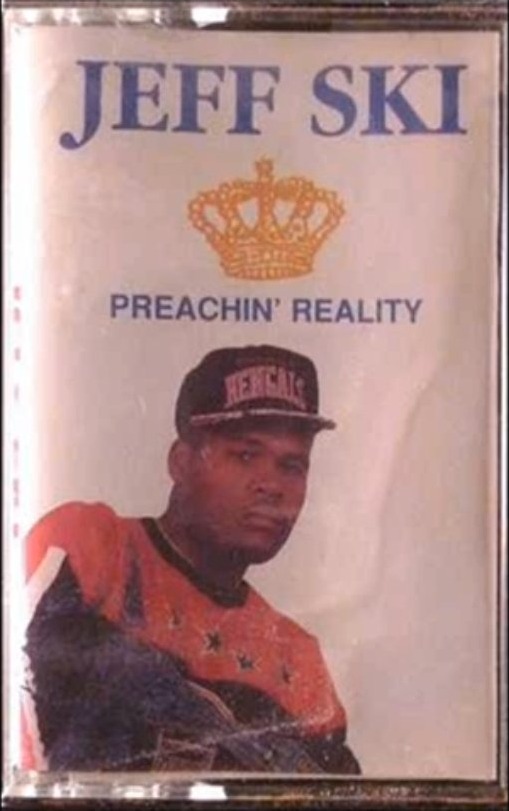
The city had its names. Da Brat — I stayed in the same apartment building with her when I was a kid. Common. Twista. Do or Die. Crucial Conflict. Underground names the city knew, like Cap One. And before all of that, one of the first artists I ever encountered: Jeff Ski — Chicago's Rakim — back in the '80s. He was killed in '93. There are Chicago legends most people never heard of who were really that good.

Jeff Ski — Preachin' Reality cassette
Jeff Ski — "Preachin' Reality" (cassette)

In Chicago, you couldn't just call yourself a rapper — people would brush you off. You had to put in the work and be one of the best. The city forced you to be that good. Back then the choices were few: school, the streets, sports, or music. So if music was your choice, you had to be a genius at it.

When drill carried Chicago to a worldwide audience, it was a complicated moment — for the longest time this was one of the most hip-hop, most diverse rap cities anywhere, and the side of it the world got shown was one element. And now radio wants to play Chicago, after years when even nationally known Chicago artists barely got played at home. That's why when Kanye broke through, and Lupe broke through, it was a big deal for the whole city. Everybody who got a shot felt like they had to rep the entire city — and show the world what Chicago could do.

And my own place in it was its own battle. I was born in Chicago, and my family and my grandma always kept us with access to the city — but we moved when I was young. I’m from the Land. And claiming Chicago from the Land is a whole other battle in itself, because people from Chicago will look at you like you’re not really Chicago. So I knew I had to come that much realer. I always rep Chicago, but I always shout out the city that I stayed in too.

2000
→02

LOSS · LEGACY · CHOICE

What are you going to leave behind?

SEEA remembers an aunt on his mother's side and an uncle on his father's side dying in the same year, both relatively young. Mortality stopped being an abstract subject. The music became more deliberate.

THE QUESTION

“What side of the coin I'm gonna be on?”

KEEP IT REAL

Not a slogan about image. An early attempt to make the music honest.

2002 · FIRST ALBUM

WHAT'S YOUR LEVEL

The earlier recordings asked what he could do with rap. The first album begins asking what he intends to do with it.

Continue into the recorded archive ↓
2006
→08

THE BEATS ENTER THE STORY

“I didn't even want to make beats.”

In 2006 a friend gave SEEA a beat program. At first he mostly stared at it. Eventually curiosity won. He began sampling and building the kind of records he wanted to rap over.

THE FIRST SAMPLE

A question for Mom.

“What song should I sample?” Her answer: Betty Wright — “Tonight Is the Night.” That became the first song he remembers sampling.

THE NEXT DOOR

Bob Marley.

The next remembered sample came from Marley. The music heard through family life was now becoming raw material inside his own records.

THE RULE

I always sample greatness.

“When it comes to samples, I don't discriminate. If something about the music hits my spirit, then it gets sampled. I don't care who the person is or what genre.”

Curtis Mayfield. Soul. Rock. The Beatles. Jefferson Airplane. Bob Marley. Jimi Hendrix. Different sounds enter the same language because feeling comes before category.

“If you can feel it, you can feel it.”
Bob Marley performing in 1980
BOB MARLEY Eddie Mallin · CC BY 2.0
Jimi Hendrix promotional photograph from 1968
JIMI HENDRIX Warner/Reprise publicity · Public domain in U.S.
ANOTHER FREQUENCY

Jimi Hendrix became one of SEEA's favorite artists. People around him weren't necessarily listening to Hendrix, but once he discovered that guitar, it felt like another frequency. Hendrix samples and traces would recur across the catalog.

Why can't you be a hip-hop Bob Marley?

For SEEA, rap is the medium—not the boundary. Hip-hop can carry soul, reggae, rock, funk, blues, psychedelia and whatever else the artist can alchemize. By roughly 2007–08, self-made beats became the dominant production across much of the catalog, while outside producers remained part of the musical world too.

THE SAMPLING ETHIC

I don't discriminate when it comes to samples.

Marley. Hendrix. Curtis. Soul. Rock. Psychedelia. The Beatles. Jefferson Airplane. The wall expands as the records expand.

“Something I hear hits my spirit, then it gets sampled.”
CURTISMARLEYHENDRIXSOULROCKREGGAEPSYCHEDELIA

THE MUSIC TIMELINE

Year by year, record by record.

Every release year from the turning point forward — newest first. Jump to any year from the timeline above.

2025

Sample greatness.

2024

Sample greatness.

2019

Sample greatness.

2015

Sample greatness.

2014

Sample greatness.

2013

Sample greatness.

2012

Sample greatness.

2011

Sample greatness.

2008

Sample greatness.

2006

Sample greatness.

THE RECORDED ARCHIVE

Hear what the story became.

The museum explains the roots. The records preserve the evidence. Browse the catalog directly or move through it as part of the journey.

PRESENTTHE BEGINNING
THE FAR END OF THE CATALOG

The Beginning

Raw discovery. Contradiction. Experimentation. The recordings before the first album settled the question of what kind of artist this might become.

1999 / 2000 →

THE SCREEN · VIDEO

The music, in motion.

Videos from SEEA’s own YouTube channel, SEEA · @seeabillion — hand-picked for this room. Press play; the channel keeps the full run.

August 1, 2026
Respect The Culture
THE Big Vibe
G.G.Rocc /$pace$hip$
Bridge is over
Freenow music
RISE N SHINE
LoVe NeVer DiEs
Day dreams
Joker N ThIEF AI-POWERED video
#ChicagoWins#Blues#LEGENDARY
MOUNTAIN Of GREATNE$$
All along (let's sip)v1.3
Heaven
Am That I Am
the lecture
lost n her world by DANIEL MARIO
South side diaspora
Black vango..

INSTAGRAM

Reels & posters.

From @seeabillion on Instagram.

THE WORLD AROUND THE RECORDS

History has a texture.

Documented period imagery sits beside SEEA's personal archive as context—not as a substitute for personal memory.

Late-1980s aerial view of Chicago with Sears Tower
CHICAGO · LATE 1980sThe city surrounding the earliest remembered years.Carol M. Highsmith Archive · Library of Congress · No known restrictions on publication · LC-DIG-highsm-13350

Historical images are labeled separately from SEEA's personal photographs. Rights/source information is preserved with the archive.

WHY THIS ARCHIVE EXISTS

Hip-hop is
missing a story.

The catalog is personal. The mission reaches beyond one artist.

There was a time when the craft was taken seriously—when mastery inspired mastery, and greatness pushed others to grow. When that era faded, the artists who refused to stop the ascent didn’t disappear.

They went underground.

Read the full statement ↓

Like Jedi after the fall of the Order, those who honored the craft kept recording, teaching themselves, and passing the art forward outside the gates. No labels dictating content. No algorithms to hinder growth or block lived truth.

What’s often called a “lost era” was really a hidden one—a second golden era that never stopped evolving.

That lineage still exists—kept alive by a rare few in plain sight and many more hidden in the underground. Artists carrying rhythm, soul, and oral memory passed through generations, cities, and bloodlines.

They are not everywhere—but they are everywhere. Hidden in each region. Waiting to be recognized.

The role of the listener is not passive. It is to seek. To recognize. To elevate.

You’ve found one of our most Hidden Great ones.

Our soul rebel.
Our resident alien.
Our r.o.c.c star.
Our Blues Man

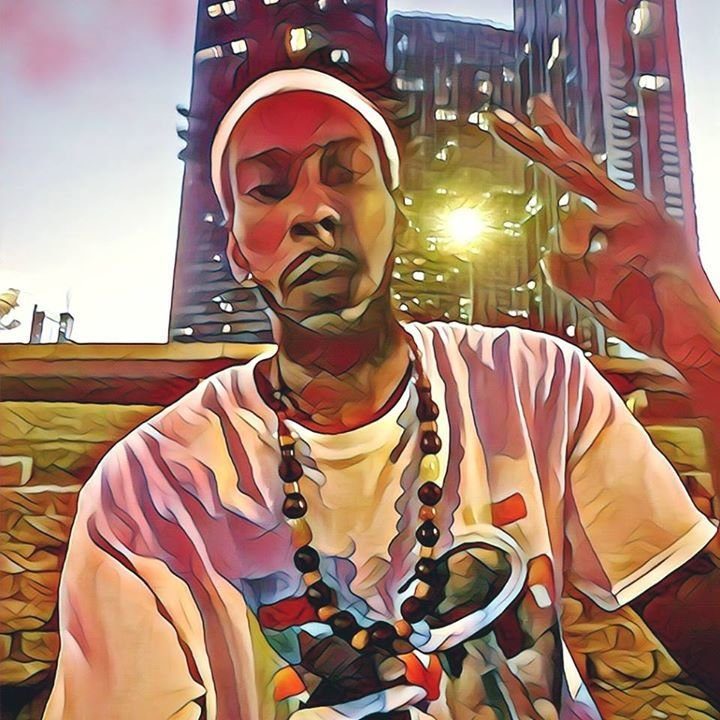
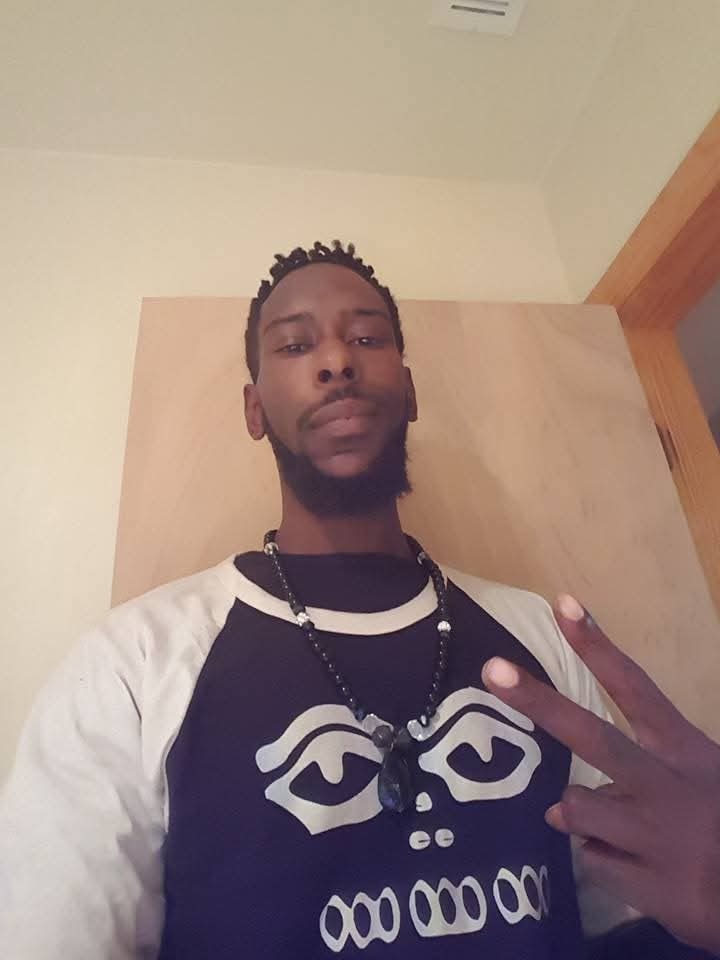
Daniel Sun Aka sEEe Aka Seeabill Aka Mario World

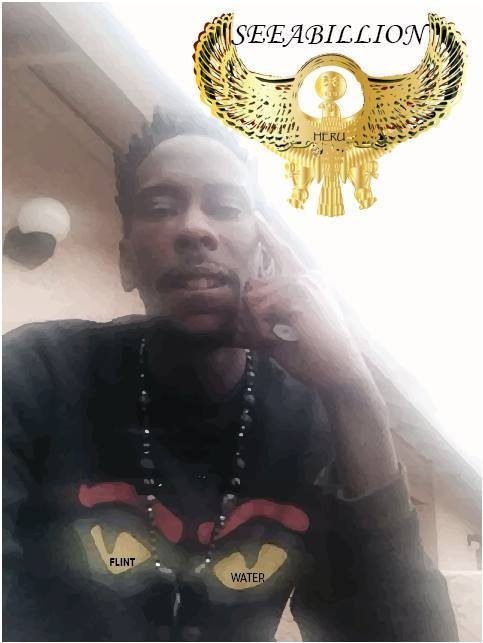
Welcome to the SeeABillioN Music page.

PERSONAL PHOTO ARCHIVE

All photos,
until their era finds them.

The broader personal archive stays visible here. As dates and eras are identified, individual photographs can move into their proper place in the timeline without disappearing from the archive.

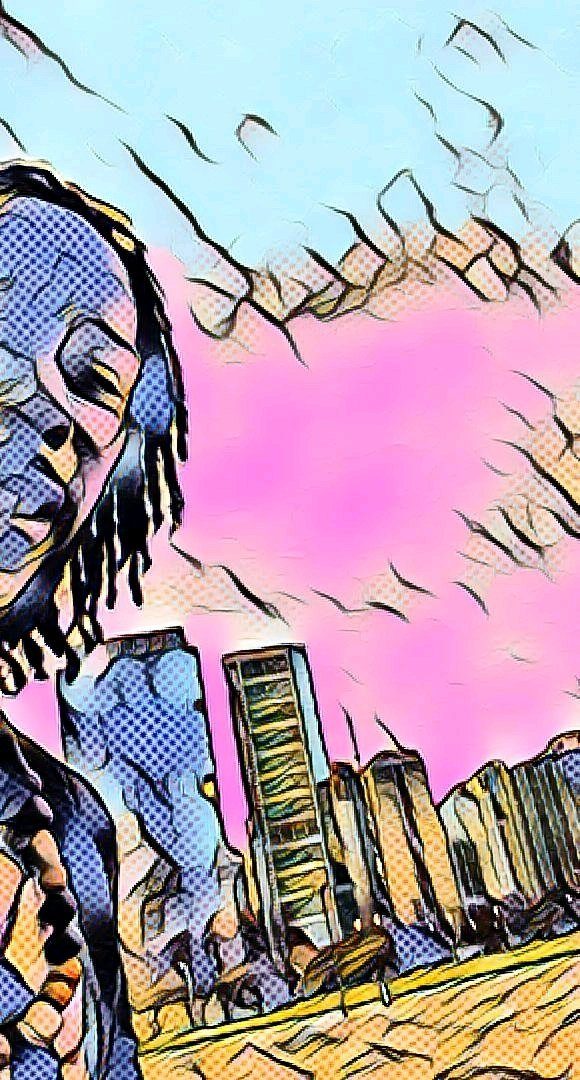
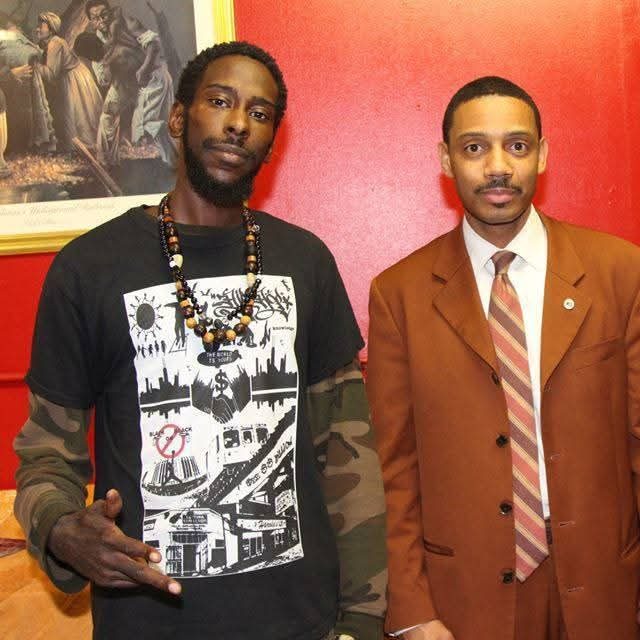
SEEA personal archive photograph 1
SEEA personal archive photograph 2
SEEA personal archive photograph 3
SEEA personal archive photograph 4
SEEA personal archive photograph 5
SEEA personal archive photograph 6
SEEA personal archive photograph 7
SEEA personal archive photograph 8
SEEA personal archive photograph 9
SEEA personal archive photograph 10
SEEA personal archive photograph 11
SEEA personal archive photograph 12
SEEA personal archive photograph 13
SEEA personal archive photograph 14
SEEA personal archive photograph 15
SEEA personal archive photograph 16
SEEA personal archive photograph 17
SEEA personal archive photograph 18
SEEA personal archive photograph 19
SEEA personal archive photograph 20

The couch/baby photograph is intentionally withheld until a faithful object-removal edit exists.

sE
The archive is waitingDaniel Sun aka sEEe
0:000:00
Owner